








TL;DR — Bambus-Zahnbürsten reinigen Ihre Zähne genauso gründlich wie Plastikbürsten, bleiben hygienisch, wenn Sie sie richtig trocknen, und reduzieren den Plastikmüll, der mit Ihrer Morgenroutine verbunden ist. Die eine Gewohnheitsänderung? Sie müssen die Nylonborsten entfernen, bevor Sie den Griff kompostieren. Für die meisten Menschen ist das ein kleiner Kompromiss, der sich lohnt.
Was genau ist eine Bambus-Zahnbürste?
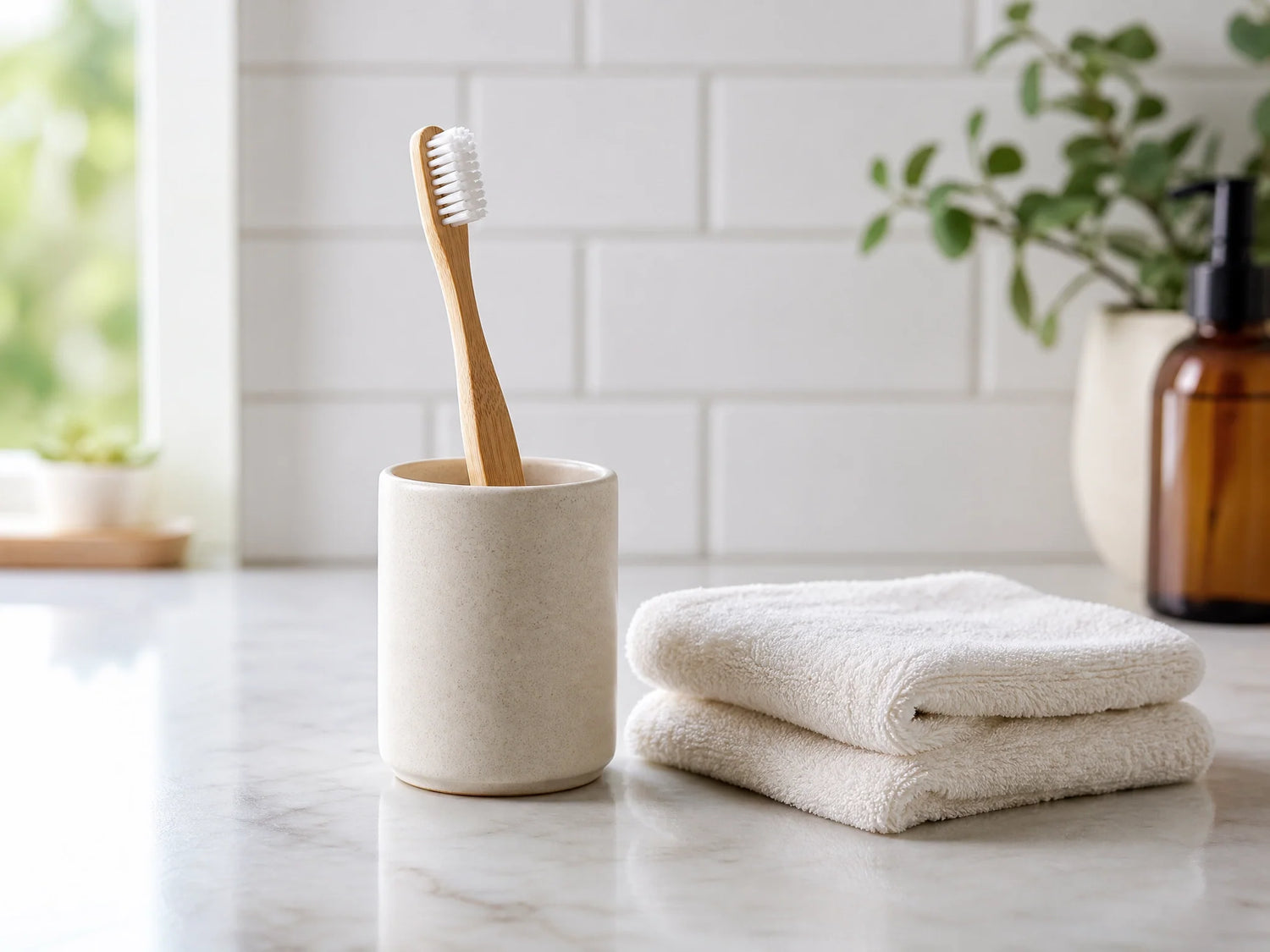
Der Griff stammt von Moso-Bambus — einer schnell wachsenden Art, die nicht auf Flächen für Nahrungspflanzen angebaut wird. Er fühlt sich warm, trocken und leicht strukturiert an, ganz anders als glattes Plastik. Die Borsten sind jedoch weiterhin synthetisch oder tierischen Ursprungs. Fast jede "Öko-Bürste" auf dem Markt verwendet eine von drei Optionen:
| Borstentyp | Biologische Abbaubarkeit | Haltbarkeit | Textur |
|---|---|---|---|
| Nylon-6 | Nicht biologisch abbaubar | 3 Monate, Standard | Mittleres Gefühl |
| Nylon-4 | Teilweise biologisch abbaubar (benötigt Industriekompost) | Ähnlich wie Nylon-6 | Etwas weicher |
| Eberhaar | Biologisch abbaubar | Nimmt Wasser auf, verschleißt schneller | Weich, schwammig |

Die meisten Marken verzichten auf die Plastikblisterverpackung und entscheiden sich für einen einfachen Karton. Der Griff selbst hat normalerweise keinen synthetischen Lack oder Farbe — nur leicht geschliffenes Bambus.
Wie gut reinigen sie tatsächlich?
Die kurze Antwort: Eine Bambusbürste kann mit einer Plastikbürste mithalten, besonders wenn sie ordentlich endgerundete Borsten hat, die das Zahnfleisch nicht zerkratzen.
- In einem direkten Vergleich bei Schulkindern waren Bambus-Zahnbürsten am effektivsten bei der Entfernung von Plaqueund übertrafen sowohl Plastik- als auch Neem-Stiel-Bürsten Quelle.
- Eine weitere klinische Studie ergab, dass die Verringerung von Zahnfleischbluten nach 8 Wochen nahezu identisch war – ein Rückgang von 21 % bei Bambus und 22,7 % bei einer normalen Nylonbürste. Quelle.
Zahnexperten sind sich weitgehend einig: Die Reinigungskraft hängt viel mehr von der Borstenform ab als vom Material des Griffs. Die meisten Bambusbürsten haben gerade, nicht abgewinkelte Köpfe. Wenn du an einen konturierten Griff gewöhnt bist, fühlt es sich anfangs vielleicht etwas klobig an, aber der Unterschied verschwindet nach ein paar Tagen. Ein schneller Anpassungstipp: Halte die Bürste näher am Kopf, um in engen Bereichen besser kontrollieren zu können.
Sind Bambus-Zahnbürsten hygienisch und langlebig?
Die größte Sorge, die Menschen haben – Schimmel – ist beherrschbar. Bambus enthält natürlicherweise antimikrobielle Verbindungen (Lignin-abgeleitete Phenole und Furane), die Bakterien nach dem Gebrauch aktiv reduzieren.
Eine Laborstudie aus dem Jahr 2022 bestätigte, dass die Bakterienzahlen auf Bambusbürsten nach 12–24 Stunden Lagerung 95–99 % niedrigerwaren, was dem Hygieneniveau von Standard-Plastikbürsten entspricht. Wenn die Bürste vor dem Gebrauch angefeuchtet wurde, verringerte sich die anfängliche Bakterienanhaftung noch weiter.
Das bedeutet, dass deine Bambusbürste kein Bakterienmagnet ist, solange du eine einfache Pflegeroutine befolgst:
- Gründlich ausspülen nach jeder Verwendung und überschüssiges Wasser ausschütteln.
- Den Griff trockenwischen mit einem Handtuch – lass kein Wasser im Zahnbürstenhalter stehen.
- Aufrecht aufbewahren an einem offenen, gut belüfteten Ort, idealerweise außerhalb der Spritzzone der Dusche.
- Einmal pro Woche in indirektem Sonnenlicht liegen lassen für ein paar Stunden, um vollständig zu trocknen.

Der Griff selbst hält genauso lange wie ein Plastikgriff – etwa 3 Monate. Ersetze ihn, wenn die Borsten seitlich abstehen oder dunkle Flecken auf dem Holz auftreten, die sich nicht abwischen lassen.
Die wahre Umweltbilanz
Bambusbürsten glänzen, wenn man die Ökobilanz von der Wiege bis zur Bahrebetrachtet. Lebenszyklusanalysen stufen sie durchweg zusammen mit Plastikbürsten mit austauschbaren Köpfen als die Optionen mit der geringsten Umweltbelastung ein Quelle. Der Bambusgriff wächst ohne Bewässerung, benötigt selten Pestizide und absorbiert schnell Kohlenstoff.
Aber es gibt eine Nuance. Eine gemeinsame Studie des UCL Eastman und des Trinity College Dublin wies darauf hin, dass der Anbau von Bambus um Land konkurrieren könnte, das andernfalls die Biodiversität unterstützen oder Kohlenstoff ausgleichen könnte. : Quellenangabe. Der Sieg ist also nicht absolut – er hängt von der Beschaffung ab.
Wenn der Griff das Ende seiner Lebensdauer erreicht, kann er direkt in einen Heimkomposter gegeben werden und in wenigen Monaten verrotten. Die Borsten sind jedoch weiterhin aus Plastik (normalerweise Nylon-6). Sie müssen sie mit einer Zange herausziehen und in den normalen Abfall werfen. Für eine wirklich kompostierbare Bürste suchen Sie nach Nylon-4-Borsten, obwohl diese dennoch industrielle Kompostierungsanlagen mit hohen Temperaturen benötigen, um vollständig abzubauen.
Schnellübersicht der Vertrauenszeichen beim Einkauf: - FSC-Zertifizierung – bestätigt, dass der Bambus aus verantwortungsvoll bewirtschafteten Wäldern stammt. - B-Corp – bestätigt, dass das Unternehmen hohe soziale und ökologische Standards erfüllt. - Vegane & plastikfreie Verpackung – gut, aber prüfen Sie, ob damit „Bioplastik“ und nicht echte pflanzliche Materialien gemeint sind.
Wo Bambuszahnbürsten an ihre Grenzen stoßen
Kein Produkt ist perfekt. Hier ist, worauf Sie verzichten:
- Höhere Kosten pro Bürste: Die meisten Bambusbürsten kosten 4–7 $, verglichen mit 2 $ für eine einfache Plastikbürste. Über ein Jahr (4 Ersatzbürsten) sind das zusätzliche 8–20 $.
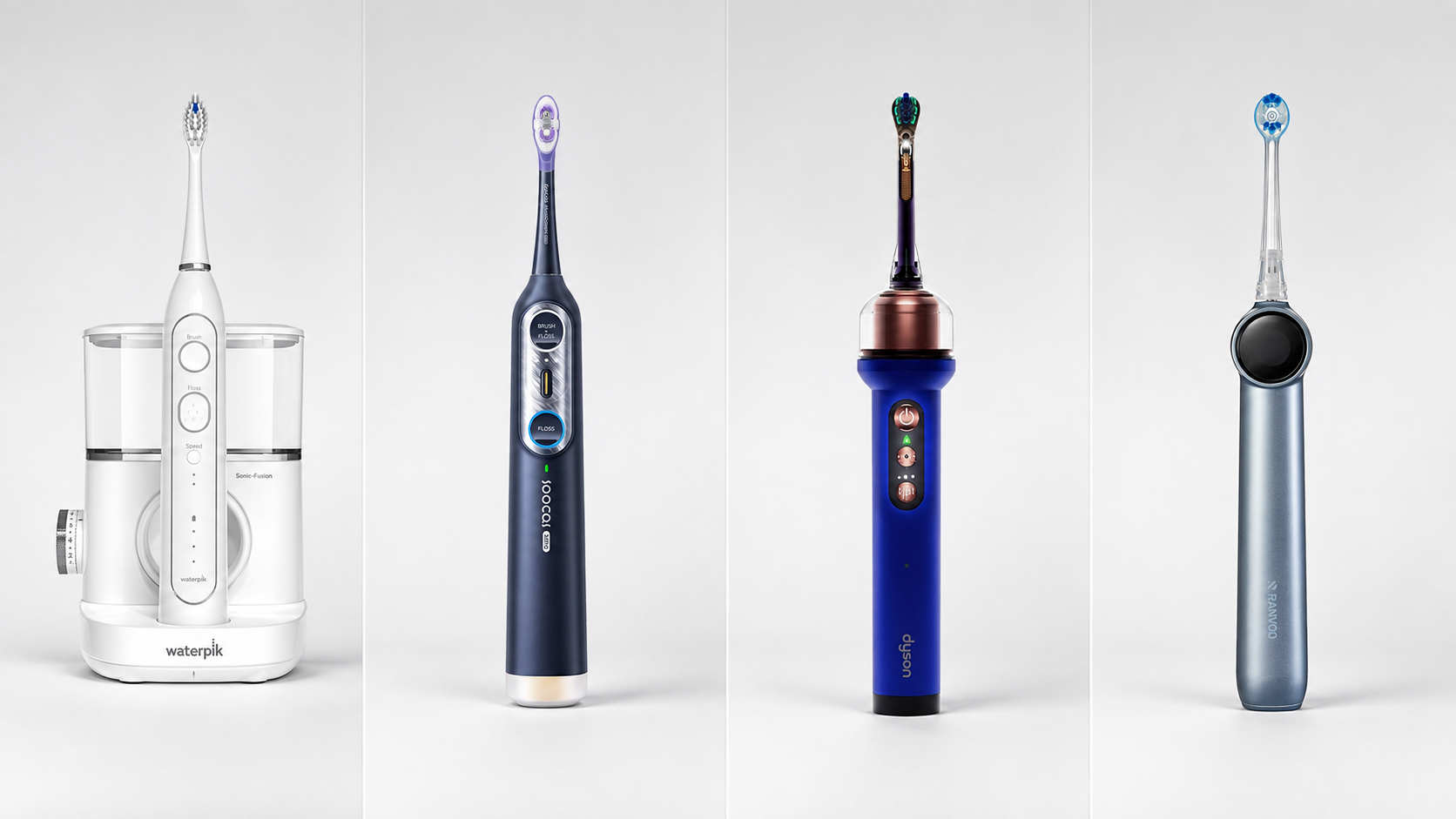
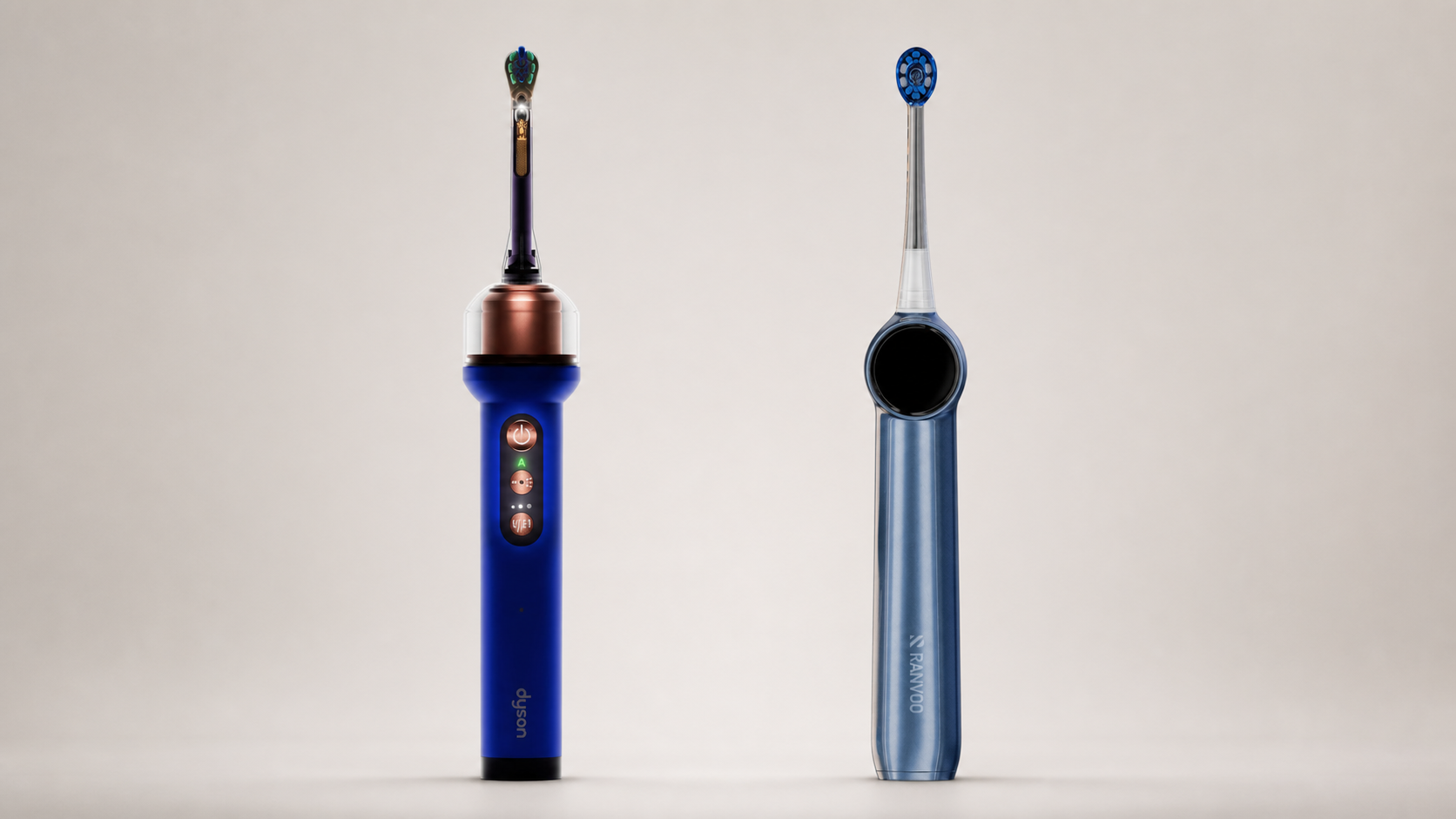
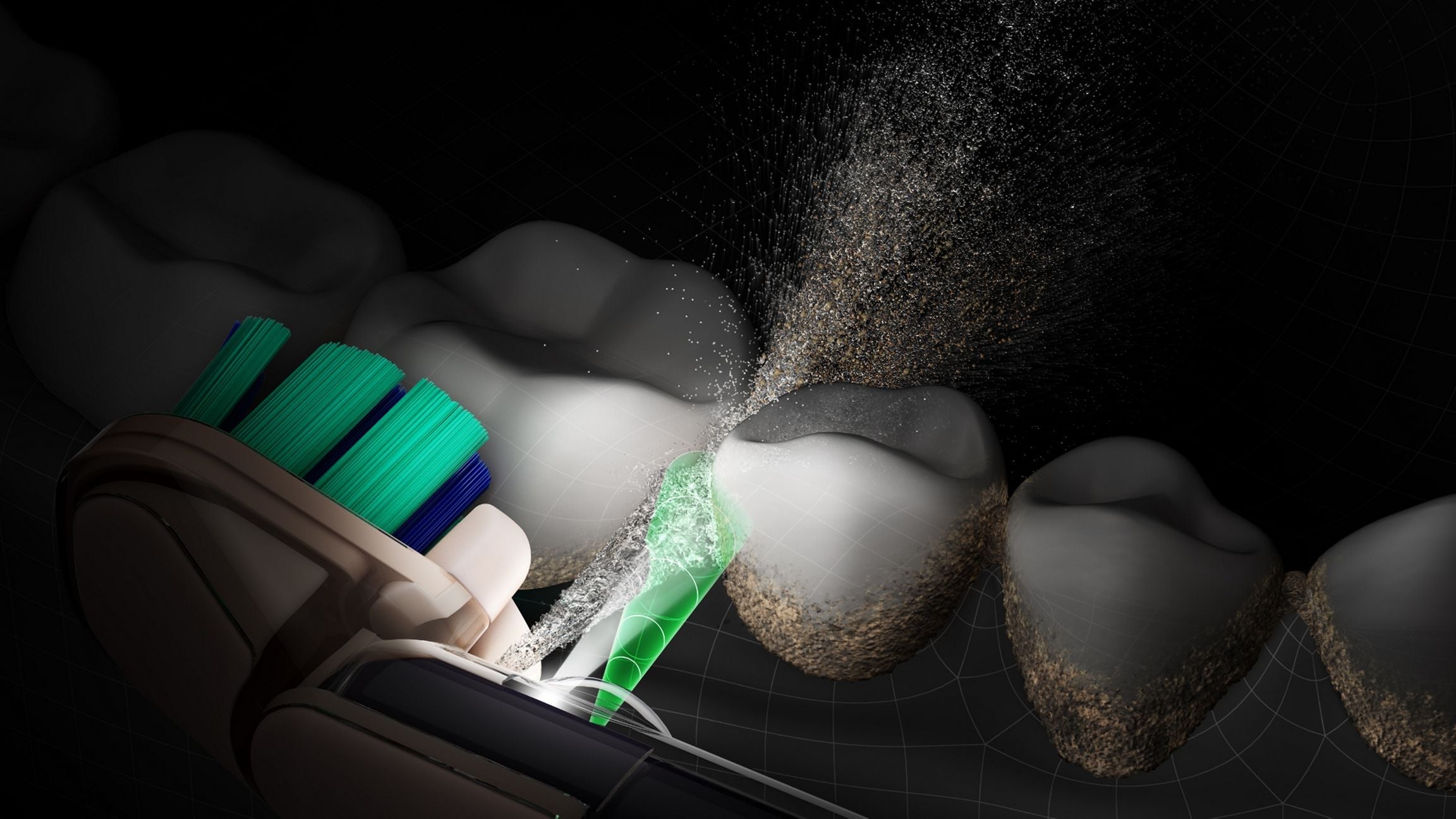
- Begrenzte Designvielfalt: Sie werden nicht leicht abgewinkelte Köpfe, verjüngte Griffe oder Optionen mit extra weichen Borsten finden. Wenn Sie unter Zahnfleischschwund oder sehr empfindlichen Zähnen leiden, könnte eine elektrische Bürste, die speziell für empfindliches Zahnfleisch entwickelt wurde – wie die RANVOO AirJet X5– von Vorteil sein. Ihre „Blasenbürsten“-Technologie verwendet sanfte Mikrobläschen, um gründlich zu reinigen, ohne empfindliches Gewebe zu reizen, und bietet ein intelligenteres Upgrade, wenn Ihr Zahnfleisch zusätzliche Pflege benötigt.
- Der Schritt des Borstenentfernens: Sie müssen 10 Sekunden damit verbringen, die Nylonbüschel herauszuziehen, bevor Sie den Griff kompostieren. Es ist eine kleine Aufgabe, aber sie ist unerlässlich.
Ein praktischer Umstiegsleitfaden
Checkliste für Käufer einer Qualitäts-Bambusbürste: - Glatte oder mit Aktivkohle versetzte Borsten (Aktivkohle weißt nicht zuverlässig auf, ist aber in Ordnung) - Abgerundete Borstenspitzen (verhindert Zahnfleischschäden) - FSC-zertifizierter Griff - Fest sitzende Borstenbüschel (keine losen Büschel bei Ankunft) - Wachsfreier Griff – eine glatte, leicht geschliffene Oberfläche - Verpackung, die null Plastik enthält
Wann Sie eine Bambusbürste vermeiden sollten: - Sie haben eingeschränkte Feinmotorik und benötigen einen abgewinkelten Griff - Ihr Badezimmer ist extrem feucht ohne Luftzirkulation - Sie haben eine bekannte Allergie gegen Wildschweinborsten (falls Sie Naturborsten in Betracht ziehen)
Tägliche Pflege in Kürze:
| Do | Don’t |
|---|---|
| Trocknen Sie den Griff nach der Benutzung mit einem Handtuch ab | Lassen Sie ihn flach in einer Pfütze liegen |
| Lagern Sie ihn in einem offenen Halter oder einer belüfteten Box | Verschließen Sie ihn oder lagern Sie ihn nass in einer geschlossenen Schublade |
| Spülen Sie die Borsten gründlich aus | Verwenden Sie täglich eine aggressive Mundspülung – sie kann den Bambus schneller abbauen |
Das Fazit
Für Ihre Zähne und Ihr Zahnfleisch reinigt eine gut gemachte Bambuszahnbürste mit endgerundeten Borsten genauso effektiv wie eine Plastikbürste – die Forschung belegt das. In Bezug auf Hygiene macht die natürliche antibakterielle Wirkung von Bambus den Unterschied wett, vorausgesetzt, Sie lassen sie zwischen den Anwendungen vollständig trocknen.
Für den Planeten ist sie der klare Gewinner, sobald Sie die Borsten richtig entsorgen. Dieser winzige zusätzliche Schritt – das Herausziehen des Nylons vor dem Kompostieren – ist die wichtigste Gewohnheit, die Sie sich aneignen sollten.
Wenn Sie bereit sind, den Stapel Plastikbürsten zu reduzieren, der Sie ein Leben lang begleitet, ist eine Bambusbürste ein einfacher, ehrlicher Tausch. Wählen Sie eine mit einem sauberen Zertifizierungslabel, behandeln Sie sie mit etwas Sorgfalt, und Sie werden die Plastikversion nie vermissen.