













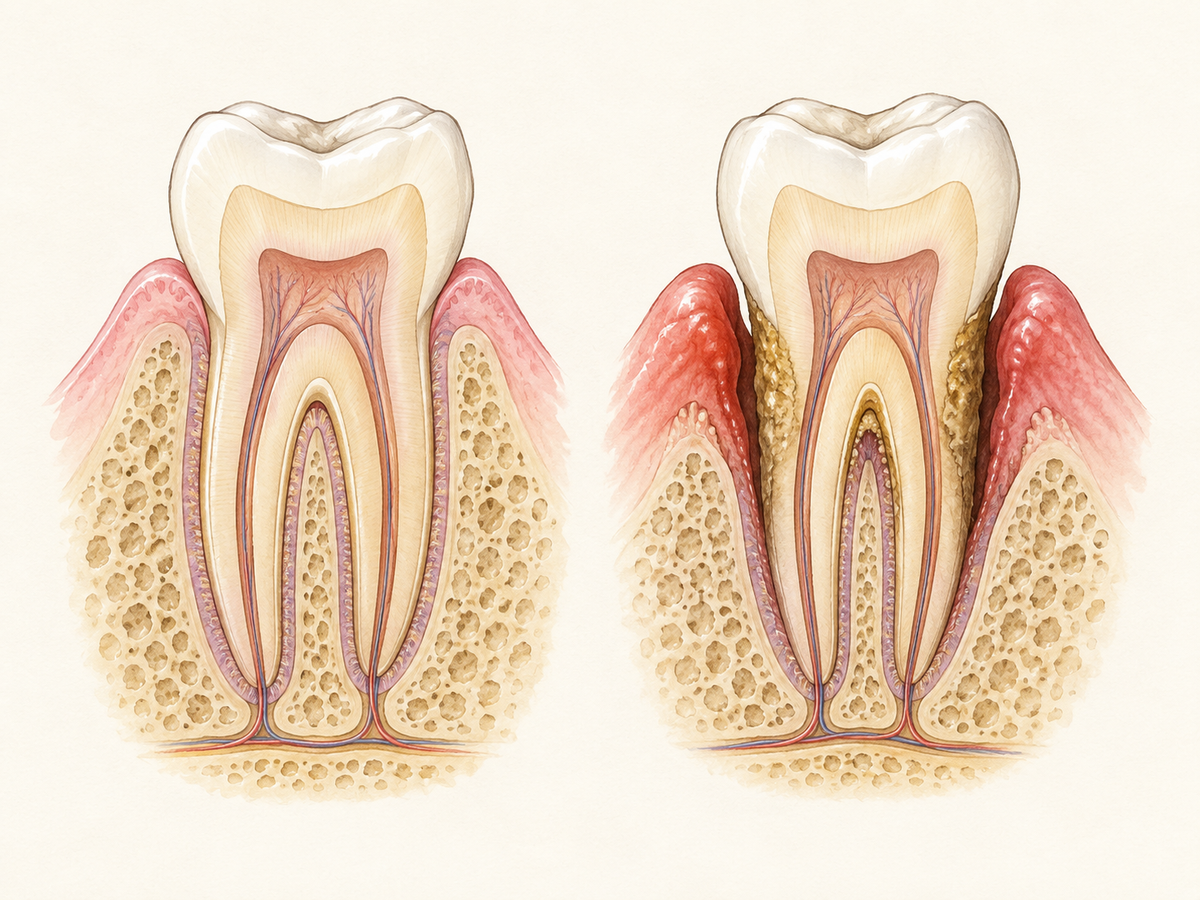
Dieser Artikel erklärt, wie Parodontalerkrankungen entstehen, wie sich Gingivitis von Parodontitis unterscheidet und wie man Zahnfleischerkrankungen vorbeugt und behandelt.
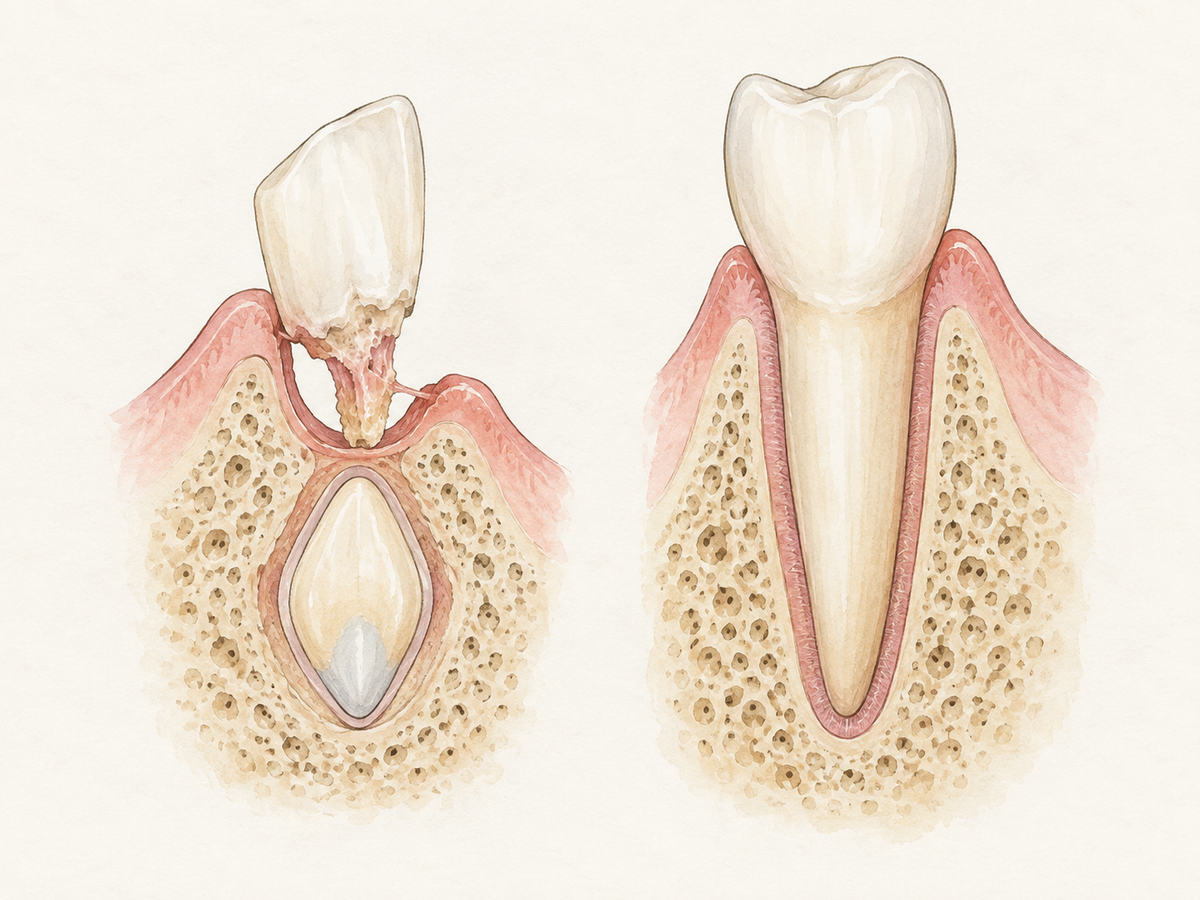
Wann man einen lockeren Zahn ziehen sollte
Ein lockerer Milchzahn kann nur dann sicher zu Hause gezogen werden, wenn er sehr locker, schmerzfrei und leicht zu drehen ist, aber ein lockerer bleibender Zahn erfordert einen Zahnarzt.
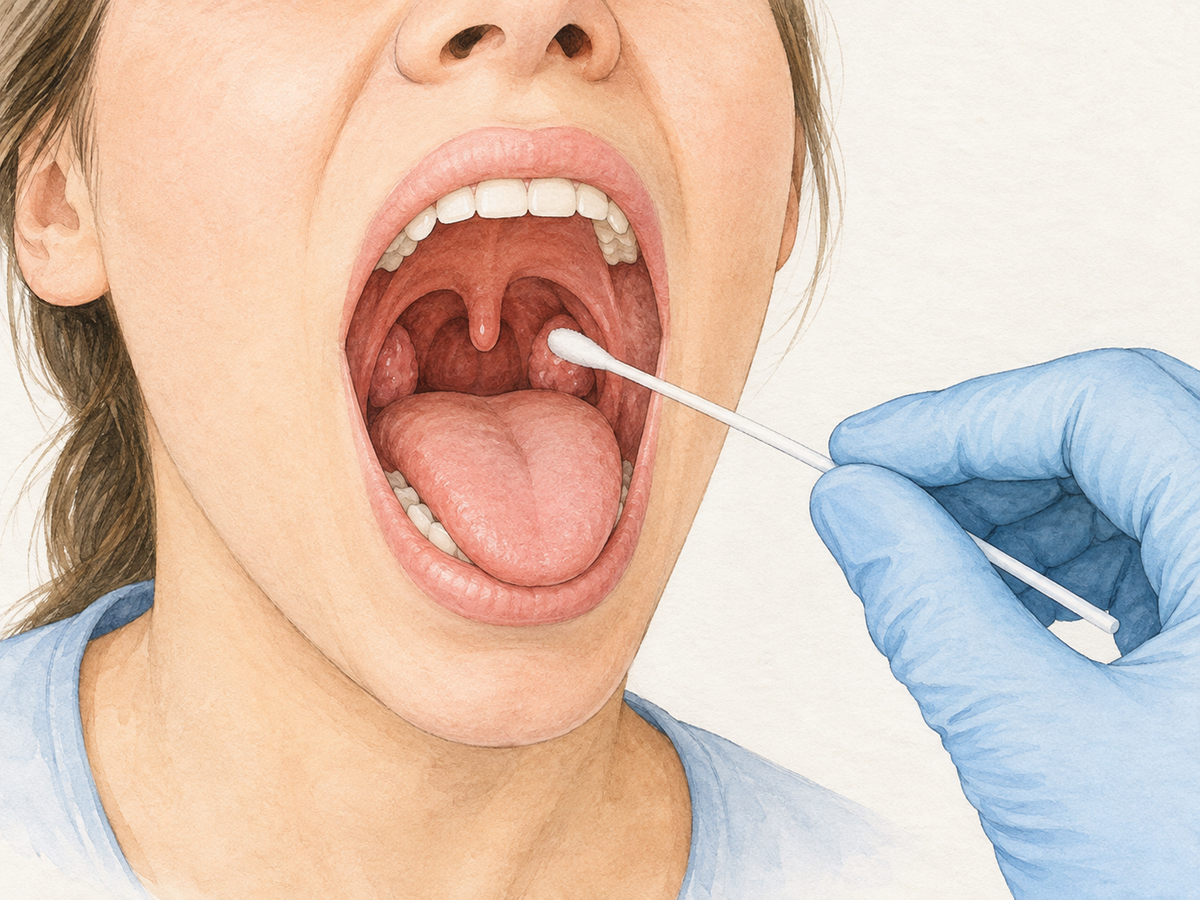
STIs und verwandte Erkrankungen: Was Sie wissen sollten
STIs verursachen oft keine Symptome, daher sind Testen, Behandeln und Vorbeugen wichtig, einschließlich der Frage, welche Tests Sie anfragen sollten und wann Sie ärztliche Hilfe suchen sollten.
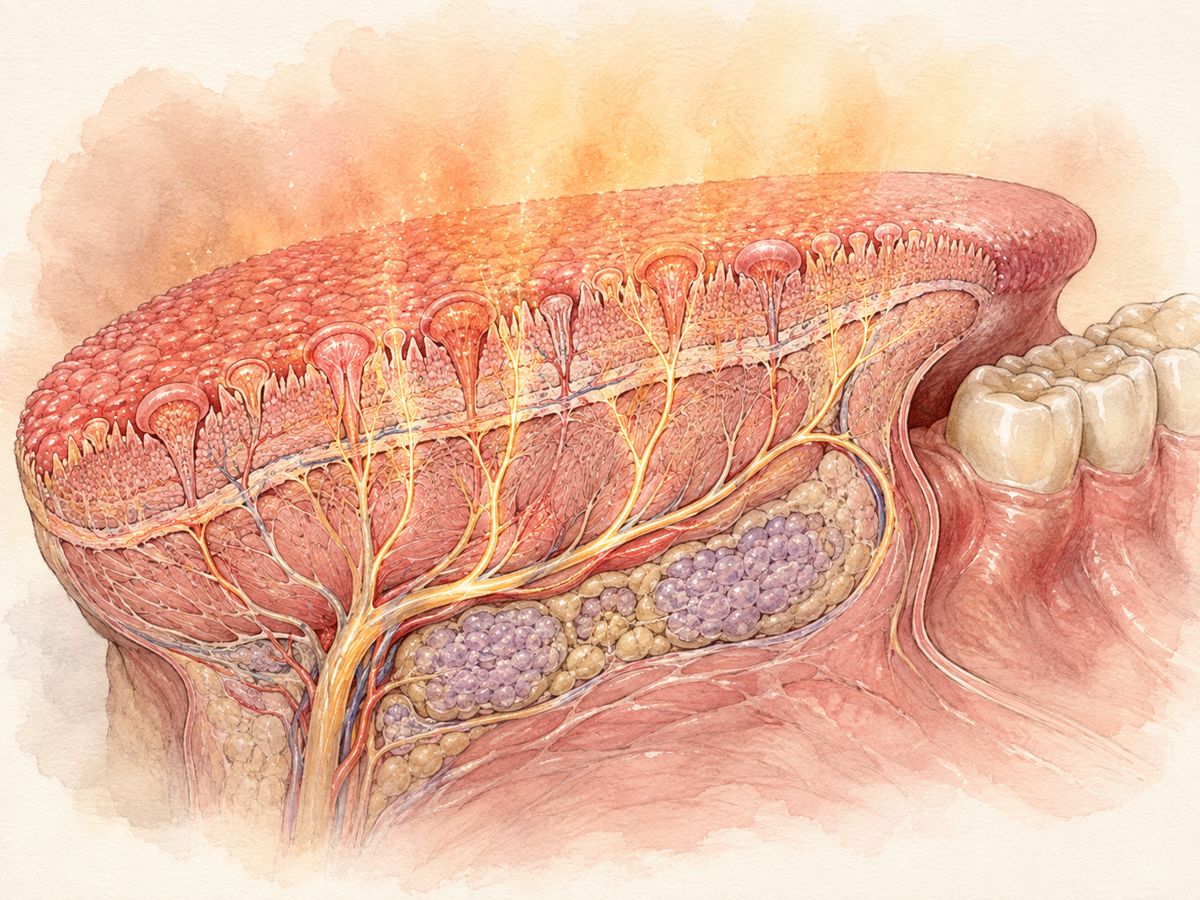
Medikamente und Mundbrennen: Ursachen und Behandlungsmöglichkeiten
Einige Blutdruckmedikamente, Antidepressiva und Hormone können Brennen im Mund auslösen; dies behandelt die Diagnose, Behandlungsoptionen und wann eine Nachkontrolle sinnvoll ist.
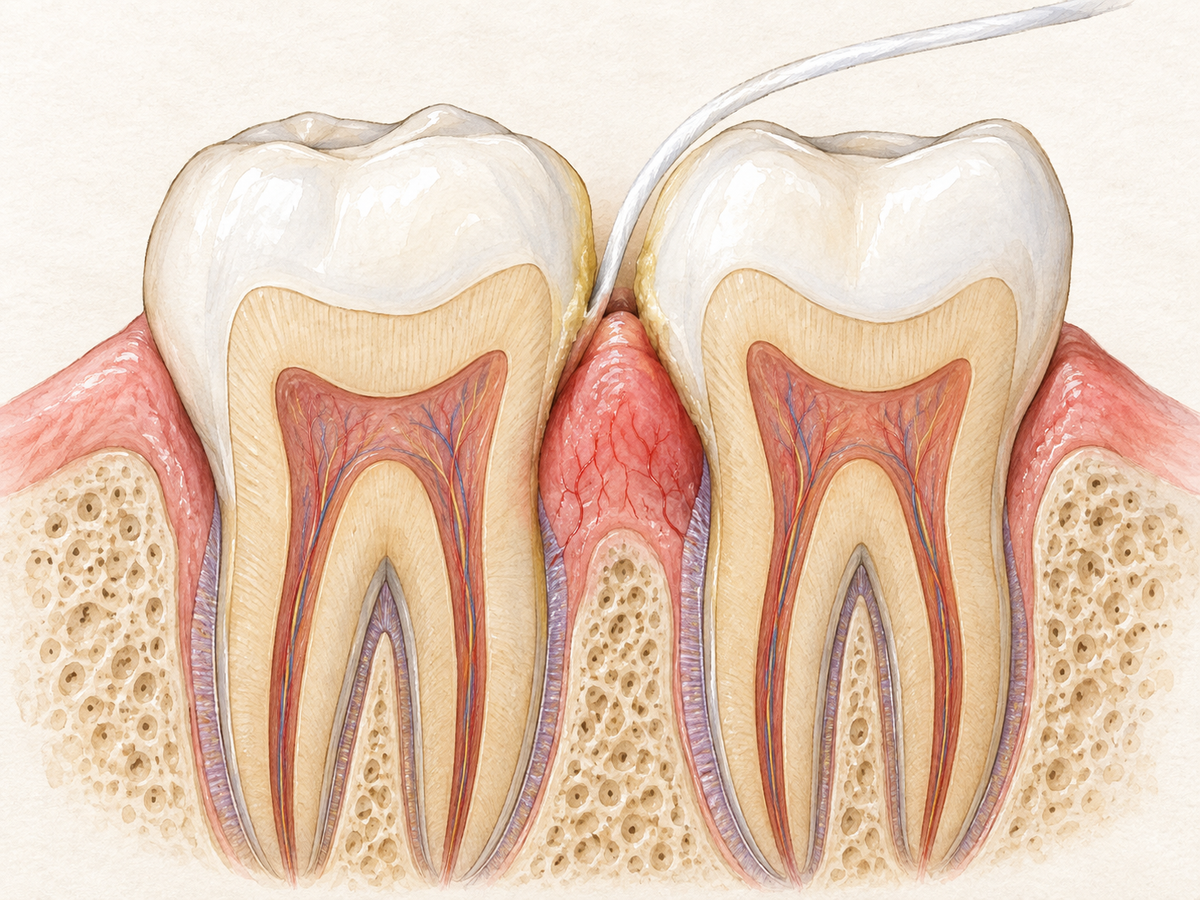
Warum Ihr Zahnfleisch bei der Verwendung von Zahnseide blutet
Wenn das Zahnfleisch beim Zahnseidegebrauch blutet, bedeutet das meist Plaqueansammlung und entzündetes Zahnfleisch, nicht einen Schaden durch die Zahnseide. Erfahren Sie die Ursachen, wann Sie ein...
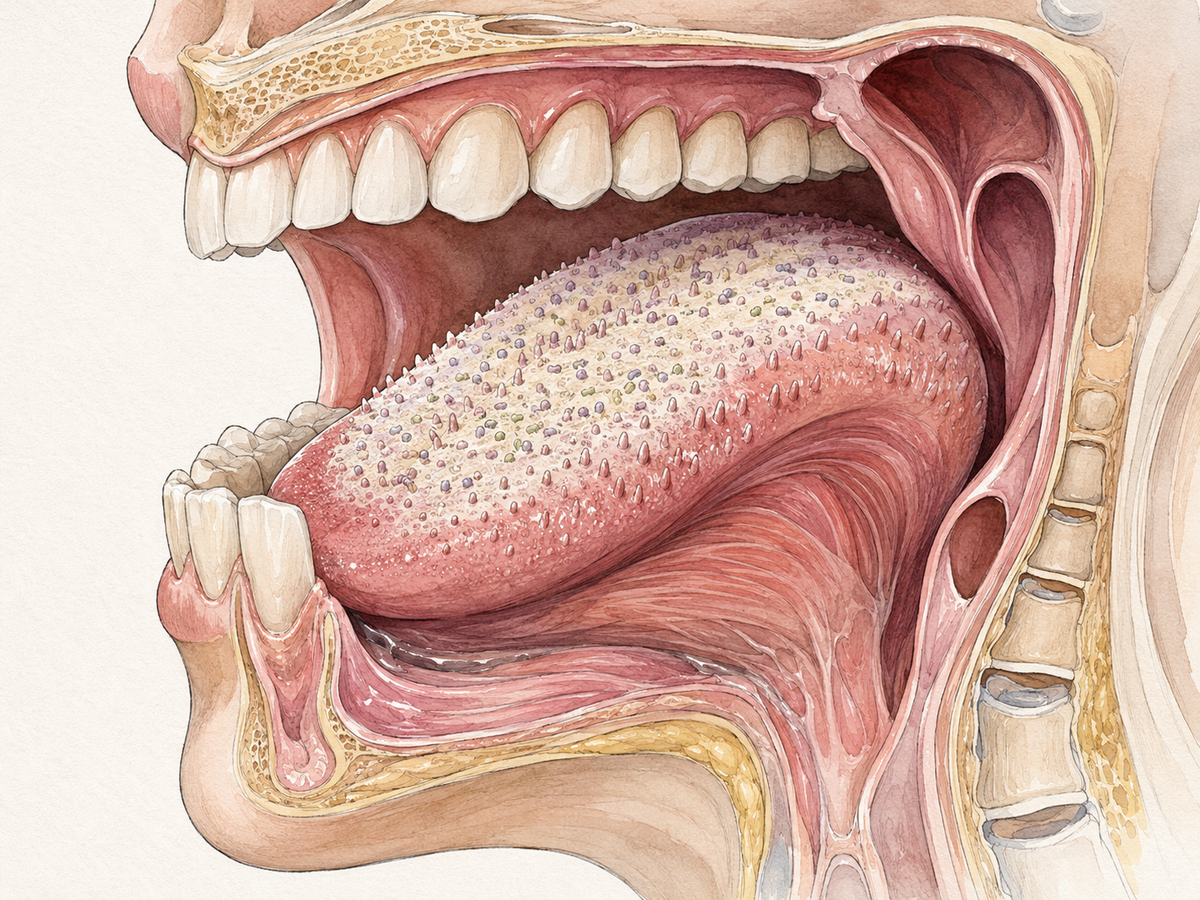
Warum Sie Ihren eigenen Mundgeruch nicht immer riechen können
Sie können Ihren eigenen Mundgeruch aufgrund der olfaktorischen Adaptation oft nicht riechen. Erfahren Sie, wie zuverlässige Selbsttests zu Hause funktionieren, welche Anzeichen andere bemerken und...
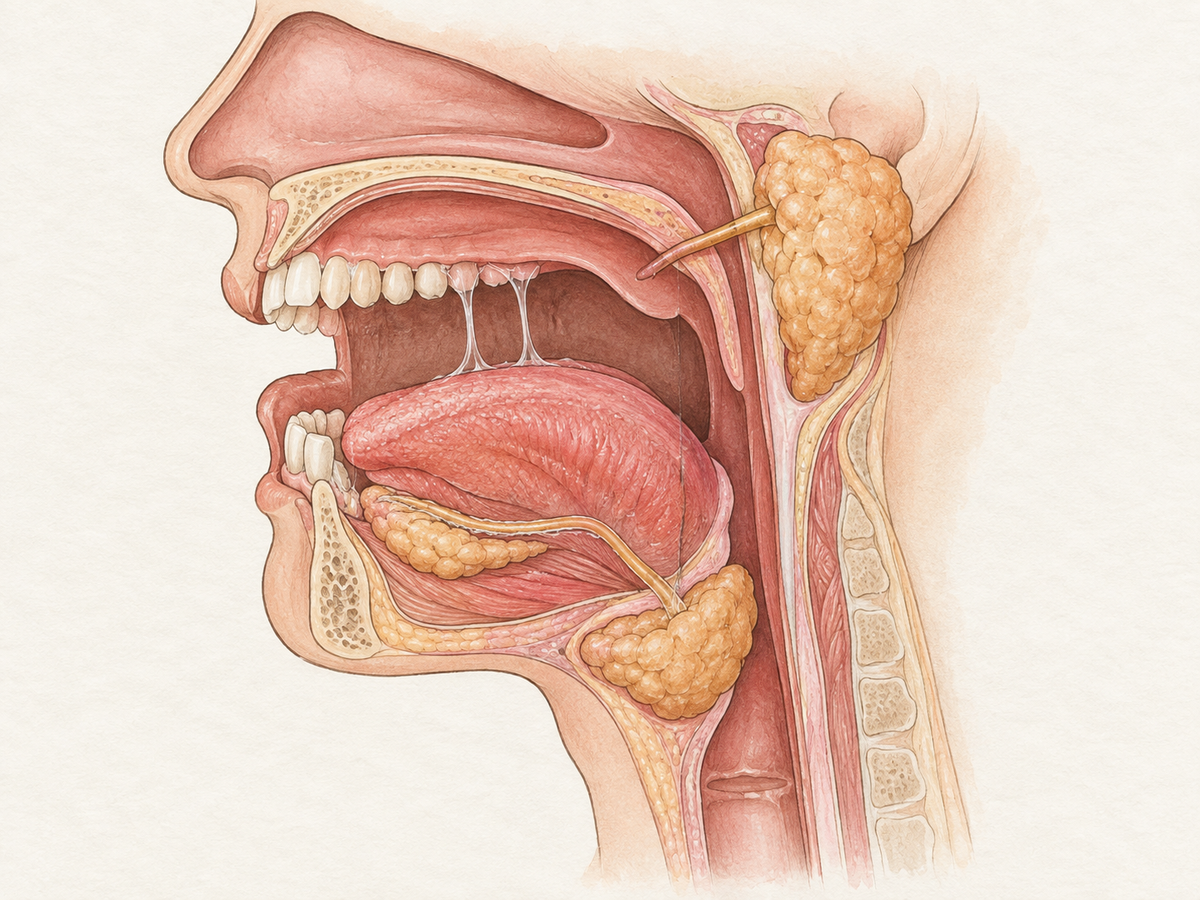
4 Ursachen für klebrigen Speichel und wie man ihn lindern kann
Klebriger Speichel wird oft durch Dehydration, Medikamente, Mundatmung, Rauchen oder trockene Luft verursacht; finden Sie Hausmittel und erfahren Sie, wann Sie einen Zahnarzt oder Arzt aufsuchen so...