
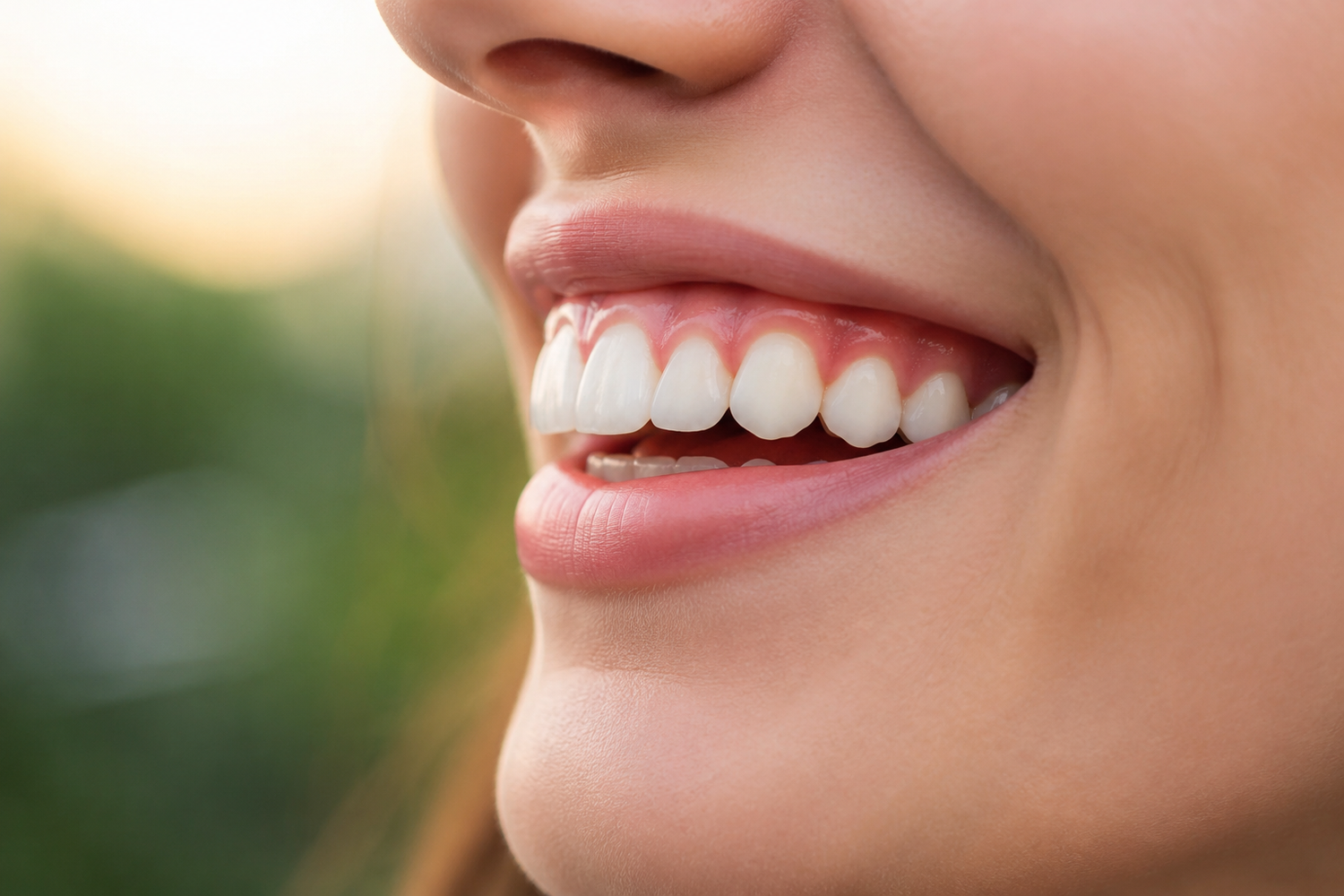
Geschwollenes, blutendes Zahnfleisch nach dem Zahnseiden ist fast nie ein Grund, die Zahnseide wegzuwerfen. Sie sind ein Zeichen dafür, dass sich Plaque dort versteckt, wo Ihre Bürste nicht hinkommt, und Ihr Zahnfleisch hart arbeitet, um Sie zu schützen. Mit dem richtigen Ansatz klingt die Schwellung normalerweise innerhalb einer Woche ab – und wenn nicht, kann Ihnen Ihr Zahnarzt helfen, schmerzfrei wieder auf Kurs zu kommen.
Sie sind nicht allein
Sie gleiten mit der Zahnseide zwischen Ihre Zähne, und plötzlich fühlt sich Ihr Zahnfleisch geschwollen, empfindlich oder sogar blutig an. Es ist leicht zu denken, Sie hätten sich verletzt oder Zahnseide sei „zu rau“ für Sie. In Wirklichkeit sind geschwollene Zahnfleisch nach dem Zahnseiden eine der häufigsten Reaktionen, die Zahnmediziner sehen, und sie sind selten ein Zeichen für etwas Beängstigendes.
Was sie fast immer bedeuten, ist, dass Ihr Zahnfleisch bereits entzündet war, bevor die Zahnseide es berührte. Die Schwellung ist die Art Ihres Körpers, auf Bakterien zu reagieren, die ungestört entlang des Zahnfleischsaums gesessen haben. Selbst wenn Ihr Zahnfleisch nicht schmerzt, wenn Sie keine Zahnseide verwenden, kann eine leichte Entzündung still vor sich hin schwelen. Dies zu erkennen, verschiebt das gesamte Gespräch: Die Schwellung ist kein Schaden, den Sie verursacht haben – sie ist ein Signal, das Sie nutzen können.

Warum Ihr Zahnfleisch so reagiert
Der häufigste Übeltäter ist Gingivitis, das früheste Stadium der Zahnfleischerkrankung. Wenn weicher, klebriger Plaque (ein Bakterienfilm) sich dort ansammelt, wo Ihre Zahnbürste nicht hinkommt, sendet Ihr Immunsystem zusätzlichen Blutfluss in die Region. Weiße Blutkörperchen strömen herein, um die bakteriellen Toxine zu neutralisieren, was dazu führt, dass das Gewebe anschwillt und brüchig wird. Dieser erhöhte Entzündungszustand ist so konsistent, dass Forscher das Zahnseiden selbst jetzt als diagnostisches Werkzeug betrachten: Zahnseide kann versteckte Zahnfleischentzündungen lange vor einer Zahnsonde erkennen. Eine Biopsiestudie bestätigte, dass Zahnfleisch, das bei Zahnseide blutet, dichte entzündliche Infiltrate zeigt, selbst wenn es für das Auge völlig normal aussieht.
Ein zweiter Auslöser ist falsche Zahnseidentechnik. Das Schnappen des Fadens ins Zahnfleisch oder Sägen hin und her mit starkem Druck kann winzige Risse in bereits empfindlichem Gewebe verursachen. Aber hier ist die entscheidende Nuance: Der Entzündungsweg wird immer noch weitgehend von Bakterien angetrieben. Wenn sich Plaque im Sulcus – der flachen Rille, wo Ihr Zahn auf das Zahnfleisch trifft – ansammelt, startet der Körper eine Immunantwort, die Prostaglandine und andere chemische Botenstoffe freisetzt. Diese Moleküle erweitern Blutgefäße und machen Kapillaren durchlässig, weshalb Sie Schwellungen und blutendes Zahnfleisch.

sehen. Wenn Sie kürzlich nach einer langen Pause mit dem Zahnseiden begonnen haben, kann die Schwellung dramatisch sein, einfach weil Sie Bakterien stören, die sich ungestört vermehrt haben. Da die Ursache oft Plaque ist, die das manuelle Bürsten übersieht, kann ein Upgrade auf eine elektrische Zahnbürste helfen, die Bakterienansammlung in Schach zu halten, sodass Ihr Zahnfleisch weniger wahrscheinlich überreagiert, wenn Sie dazwischen reinigen. Die daraus resultierende Schwellung ist eine vorübergehende Reparaturreaktion, keine dauerhafte Verletzung.
Normale Empfindlichkeit oder Alarmzeichen?
Eine leichte Empfindlichkeit, die innerhalb von 24 bis 48 Stunden abklingt, gepaart mit leichten Blutungen, die schnell aufhören, ist einfach das, was passiert, wenn Sie ein entzündetes Zahnfleisch aufwecken. Tatsächlich ist das Ziel, diese Reaktion abklingen zu sehen. Selbst wenn das Zahnfleisch klinisch gesund erscheint, können Immunmarker wochenlang leicht erhöht bleiben, weshalb Beständigkeit weit mehr zählt als Perfektion. Wenn Sie weiterhin sanft täglich Zahnseide verwenden, sollten die Blutungen über drei bis fünf Tage spürbar leichter werden, und die Schwellung sollte sich auflösen.
Achten Sie andererseits darauf, wenn Sie Folgendes bemerken: - Schwellungen, die länger als fünf Tage anhalten oder schlimmer werden - Zahnfleisch, das die ganze Zeit tiefrot, geschwollen und glänzend bleibt - Schmerzen, die das Kauen unangenehm machen - Ein anhaltender schlechter Geschmack oder Eiter zwischen den Zähnen - Zahnfleisch, das sich von den Zähnen zurückzuziehen scheint
Diese Muster deuten darauf hin, dass sich Plaque zu Zahnstein (Konkrement)entwickelt hat – einer gehärteten Ablagerung, die Zahnseide nicht entfernen kann – oder dass sich die Entzündung tiefer in den stützenden Knochen ausgebreitet hat. In diesem Stadium, Parodontitis (Parodontose) könnten sich entwickeln, und professionelle Hilfe ist nicht verhandelbar.

Lassen Sie sich nicht von Angst davon abhalten, es zu überprüfen; eine frühzeitige Behandlung ist in der Regel einfach und nicht chirurgisch.
So lindern Sie geschwollenes Zahnfleisch schnell
Wenn Ihr Zahnfleisch gereizt ist, können ein paar Hausmittel es beruhigen, während Sie weiterhin die Reinigung durchführen, die das Problem tatsächlich behebt.
- Spülen Sie mit warmem Salzwasser. Ein halber Teelöffel Salz, aufgelöst in einer Tasse warmem Wasser, erzeugt eine sanfte osmotische Spülung, die Bakterien reduziert und Gewebeschwellungen ohne Stechen lindert. Spülen Sie 30 Sekunden lang, zwei- bis dreimal täglich.
- Legen Sie eine kalte Kompresse auf. Wickeln Sie einen Eisbeutel oder einen Beutel gefrorene Erbsen in ein dünnes Tuch und halten Sie ihn 10 Minuten lang an Ihre Wange. Die Kälte verengt vorübergehend die Kapillaren und verschafft Ihnen schnelle, medikamentenfreie Linderung.
- Verzichten Sie auf Alkohol. Vermeiden Sie alkoholhaltige Mundspülungen sowie scharfe oder säurehaltige Lebensmittel, bis die Empfindlichkeit abklingt. Diese können rohe Zahnfleischoberflächen reizen und die Heilung verlängern.
- Hören Sie nicht auf, die Stelle zu reinigen. Dies ist der schwierigste, aber wichtigste Schritt. Bürsten Sie weiterhin sanft entlang der Zahnfleischlinie und verwenden Sie Zahnseide an der schmerzenden Stelle. Wenn Sie Plaque zurücklassen, wird nur noch mehr Entzündung gefördert. Die Forschung unterstützt dies: nur mechanische interdentale Plaqueentfernung in Kombination mit Zähneputzen reduziert effektiv Zahnfleischbluten. Mundspülungen allein können die physikalische Störung des Biofilms nicht ersetzen.

Zahnseide meistern ohne Schwellung
Die Art und Weise, wie Sie Zahnseide verwenden, kann den Unterschied zwischen einer gesunden Routine und einem täglichen Kampf mit Ihrem Zahnfleisch ausmachen. Anstatt die Zahnseide direkt nach unten zu schnappen, versuchen Sie die C-Form-Technik:

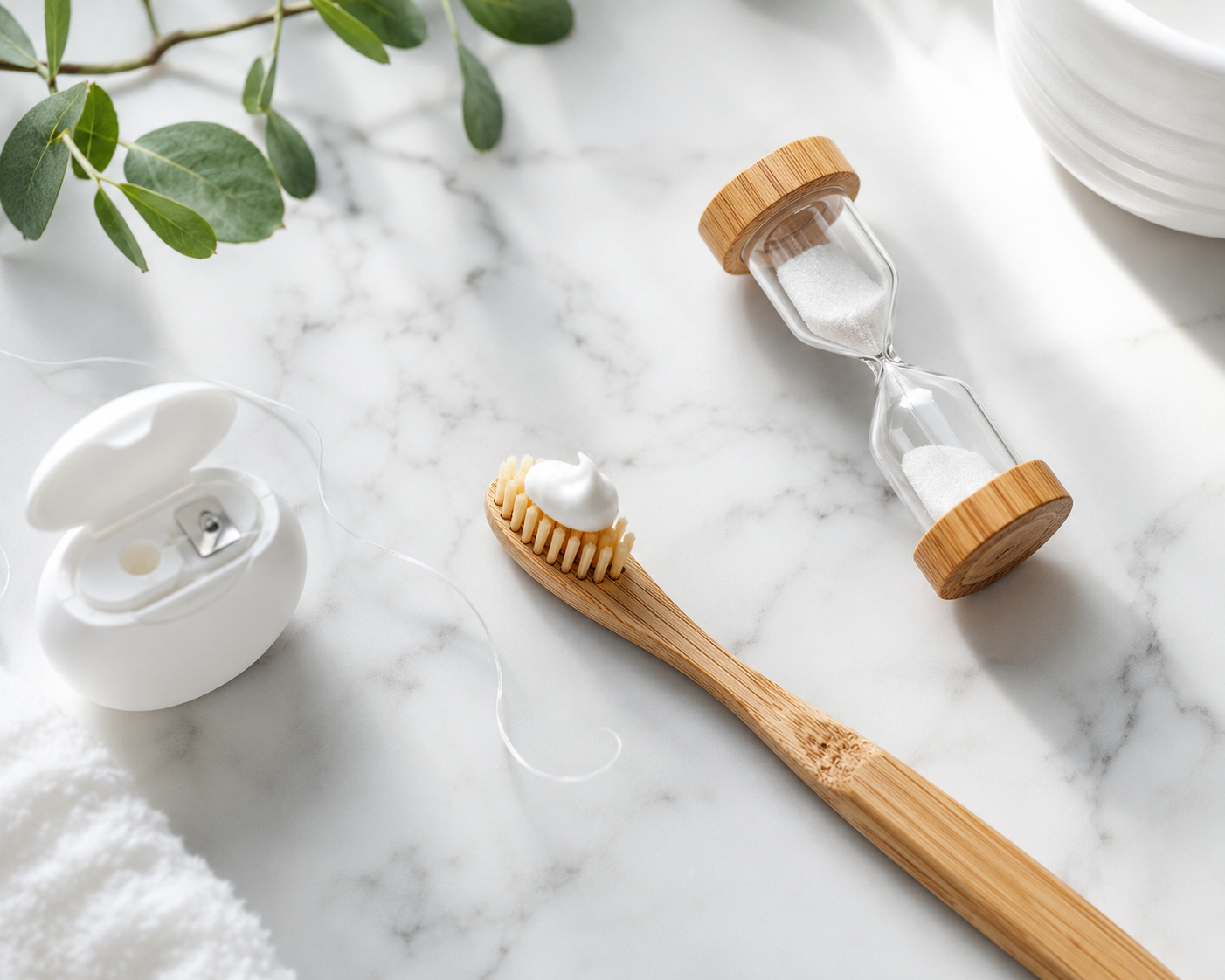
- Wickeln Sie etwa 45 cm Zahnseide um Ihre Mittelfinger und lassen Sie einen Arbeitsabschnitt von 2,5 bis 5 cm frei.
- Schieben Sie die Zahnseide vorsichtig mit einer Hin- und Her-Sägebewegung zwischen die Zähne–aber schnappen Sie sie niemals in das Zahnfleisch.
- Sobald Sie die Zahnfleischlinie erreicht haben, formen Sie die Zahnseide zu einem C gegen einen Zahn und führen Sie sie sanft etwa 1–2 Millimeter unter den Zahnfleischrand. Hier versteckt sich der unsichtbare Plaque, und genau diese Bewegung verursacht anfangs die meiste Schwellung. Es ist sicher, solange Sie sanft vorgehen.
- Umarmen Sie den Zahn, während Sie die Zahnseide auf und ab bewegen, und wiederholen Sie dies an der benachbarten Zahnfläche.
- Verwenden Sie für jeweils ein paar Zähne ein sauberes Segment, um eine Neuverteilung von Bakterien zu vermeiden.
Wenn Ihr Zahnfleisch sehr empfindlich ist, gewachste Zahnseide oder Zahnseidenstäbchen mit glattem Band können leichter gleiten und weniger Reibung verursachen. Wasser-Zahnseidengeräte und Interdentalbürsten sind ebenfalls ausgezeichnete Alternativen für diejenigen, die mit herkömmlicher Zahnseide kämpfen. Der Schlüssel ist, ein Werkzeug zu wählen, das Sie täglich verwenden. Beständigkeit baut mit der Zeit Zahnfleischfestigkeit auf. Tatsächlich zeigen Studien, dass tägliche interdentale Reinigung die Blutungs-Scores innerhalb eines Monats um mehr als die Hälfte senken kann, was beweist, dass sich Ihr Zahnfleisch schnell anpasst, wenn die Bakterienlast niedrig gehalten wird.
Um Ihre gesamte Routine freundlicher zu empfindlichem Gewebe zu gestalten, kombinieren Sie Ihre Zahnseiden-Anwendung mit einer Schallzahnbürste die auf sanften Vibrationen statt auf hartem Schrubben basiert. Diese Kombination pflegt das Zahnfleisch, ohne zu überbürsten, und reduziert den Schock, der Schwellungen auslösen kann.
Wann Sie einen Zahnarzttermin vereinbaren sollten
Sie müssen nicht beim ersten Anzeichen von Schwellung in Panik geraten, aber ein paar klare Anzeichen signalisieren, dass es Zeit ist, einen Fachmann hinzuzuziehen:
- Schwellungen, die nach einer Woche konsequenter, korrekter Reinigung nicht zurückgehen
- Schmerzen, die Sie nachts aufwecken oder das Essen erschweren
- Ein metallischer oder übler Geschmack oder Anzeichen von Eiter
- Zahnfleisch, das sich sichtbar von den Zähnen zurückgezogen hat und "Taschen" bildet
- Locker sitzende Zähne, auch nur leicht
- Schwellung begleitet von Fieber oder geschwollenen Lymphknoten

Ein Zahnarzt oder Dentalhygieniker ist nicht da, um Sie zu tadeln. Sie messen, wie gut das Zahnfleisch an den Zähnen haftet, prüfen auf Zahnstein unterhalb des Zahnfleischrands und führen, falls nötig, eine professionelle Zahnreinigung (Scaling und Wurzelglättung) durch, um verhärtete Ablagerungen zu entfernen. Sie können auch weniger häufige Auslöser ausschließen, wie medikamentenbedingtes Zahnfleischwachstum, hormonelle Veränderungen während der Schwangerschaft oder Grunderkrankungen wie Diabetes, die das Zahnfleisch reaktiver machen. Betrachten Sie diesen Besuch als Partnerschaft, die verhindert, dass aus kleinen Problemen große werden.
Das Fazit
Geschwollenes Zahnfleisch nach dem Zahnseiden ist die Anpassung Ihres Mundes an bessere Hygiene – kein Grund aufzugeben. Es ist die sichtbare Seite Ihres Immunsystems, das gegen die Bakterien kämpft, die Zahnfleischentzündungen verursachen. Wenn Sie täglich und korrekt Zahnseide verwenden, klingt die Schwellung fast immer ab, sobald Ihr Zahnfleisch gesünder wird.
Wenn die Schwellung trotz perfekter Technik bestehen bleibt, ist das einfach Ihr Hinweis, einen Fachmann aufzusuchen. Benutzen Sie weiterhin Zahnseide, putzen Sie sanft und vertrauen Sie darauf, dass Ihr Körper weiß, wie er heilen kann, sobald die Entzündungsquelle beseitigt ist. Die meisten Menschen, die dabeibleiben, stellen fest, dass ihr Zahnfleisch innerhalb weniger Wochen stärker wird, weniger blutet und rosiger aussieht – und Zahnseide wird vom Kampf zu einem 90-Sekunden-Selbstvertrauens-Boost für Ihr Lächeln.





Hinterlasse einen Kommentar
Diese Website ist durch hCaptcha geschützt und es gelten die allgemeinen Geschäftsbedingungen und Datenschutzbestimmungen von hCaptcha.