







Ihr Zahnschmelz kann nicht nachwachsen, wenn er einmal verloren ist, aber er kann durch Remineralisierung. Mit den richtigen Gewohnheiten, der richtigen Ernährung und wissenschaftlich fundierten Produkten können Sie frühe Schwachstellen rückgängig machen und den Schaden im Keim ersticken. Das entscheidende Zeitfenster ist jetzt – bevor aus der Aufweichung ein Loch wird.

Zahnschmelzerosion verstehen: Was passiert wirklich mit Ihren Zähnen?
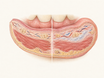
Zahnschmelz ist die härteste Substanz in Ihrem Körper, ein kristalliner Schutzschild, der fast ausschließlich aus Hydroxylapatit — eine dicht gepackte Verbindung aus Kalzium und Phosphat. Aber er ist nicht unzerstörbar. Jedes Mal, wenn Sie etwas Saures essen oder trinken, kann der pH-Wert in Ihrem Mund unter den kritischer pH-Wert von 5,5 — der Punkt, an dem sich Hydroxylapatit zu lösen beginnt.
Diese Auflösung ist Demineralisierung. Säuren aus Zitrusfrüchten, Limonaden oder sogar durch Sodbrennen entziehen dem Zahnschmelz Kalzium- und Phosphat-Ionen, wodurch dieser mikroskopisch geschwächt wird. Geschieht dies zu oft, ohne dass sich der Zahnschmelz erholen kann, wird die Oberfläche porös, es entstehen kreideweiße Flecken und schließlich bilden sich Karieslöcher.
Die gute Nachricht: Ihr Körper verfügt über ein eingebautes Reparatursystem. Speichel fungiert als Mineralreservoir und führt der Zahnoberfläche auf natürliche Weise Kalzium und Phosphat zu. Solange der pH-Wert über 5,5 bleibt, bleibt der Speichel mit diesen Mineralien übersättigt , die es ermöglicht, Remineralisierung — der Prozess der Wiedereinlagerung verlorener Mineralien in das Zahnschmelzgitter. Fluorid verstärkt diesen Prozess zusätzlich, indem es Kalzium und Phosphat anzieht und diese in einen noch stärkeren, säurebeständigen Kristall namens Fluorapatit umwandelt.
Auch wenn man vollständig aufgelösten Zahnschmelz nicht „nachwachsen“ lassen kann, ist es durchaus möglich, frühe, geschwächte Läsionen wieder aufzubauen und zu stärken. Die Frage ist nicht if ist möglich, aber Anleitung , diesen natürlichen Prozess zu unterstützen, bevor der Schaden dauerhaft wird.
Ihr täglicher Schutz: Eine Schritt-für-Schritt-Routine

Eine erfolgreiche Remineralisierungsstrategie ist keine Liste von Produkten – sie ist eine wiederholbare Abfolge von Schritten. Hier ist eine Kombination aus morgendlichen und abendlichen Gewohnheiten, die mit Ihrer Biologie zusammenwirkt und nicht gegen sie.
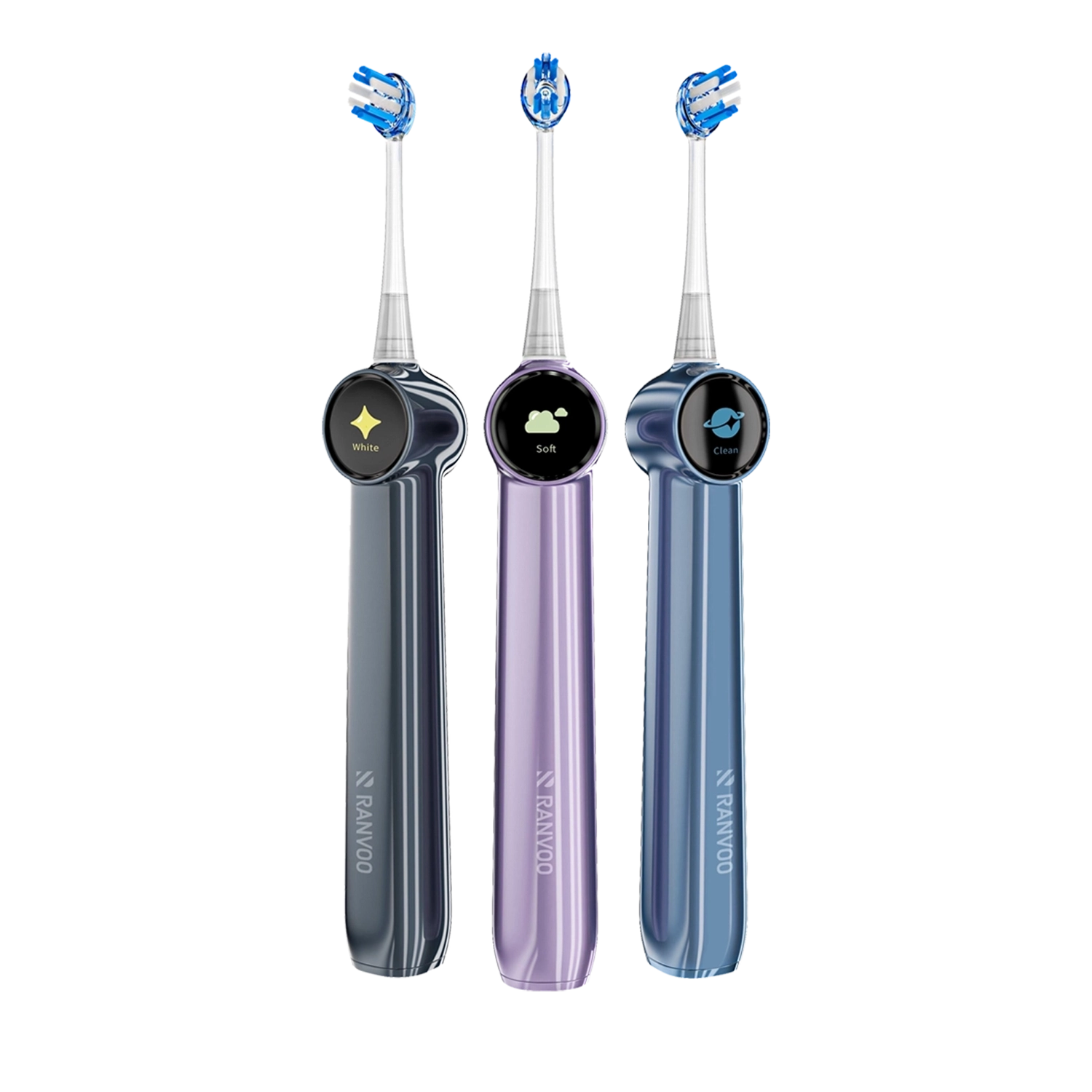
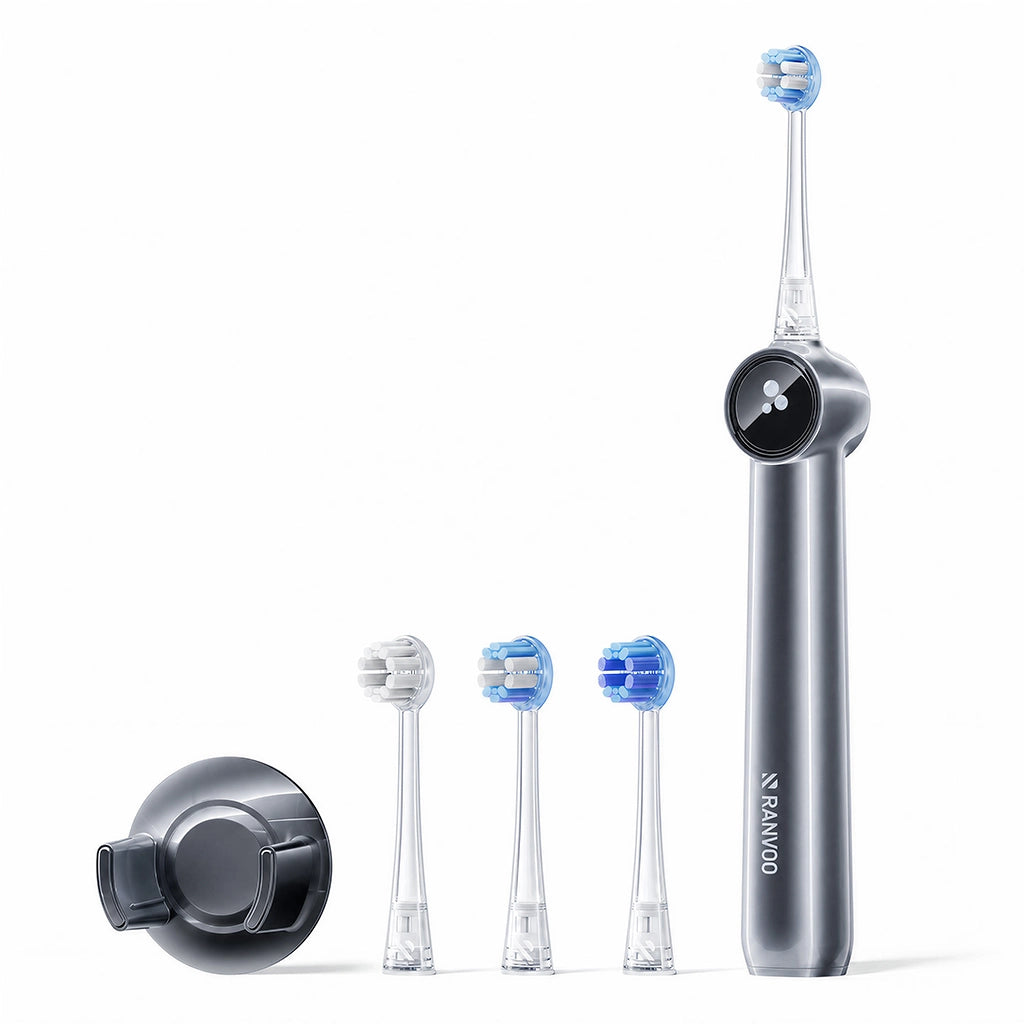
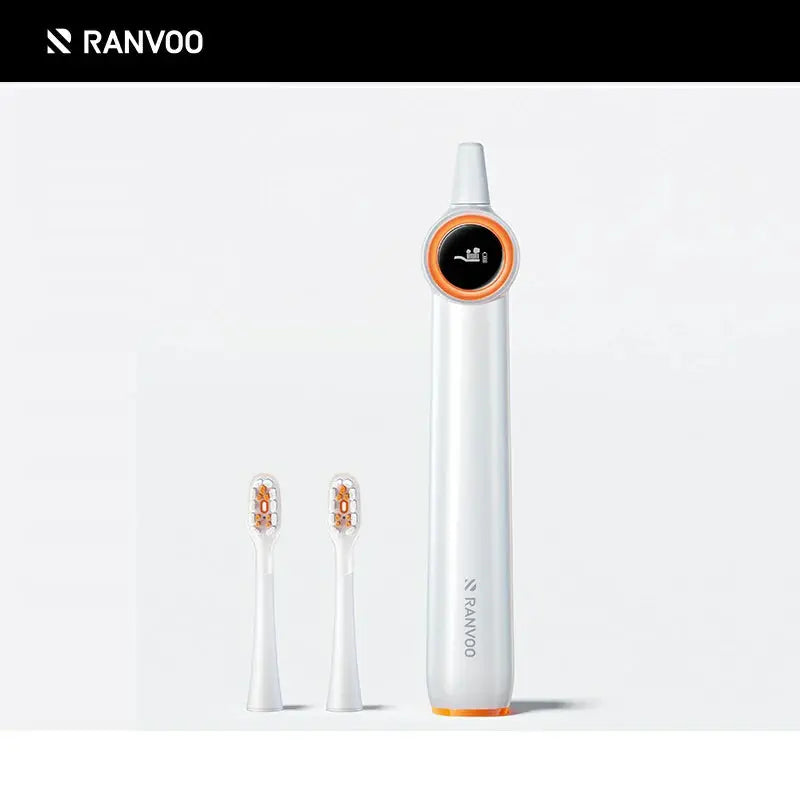
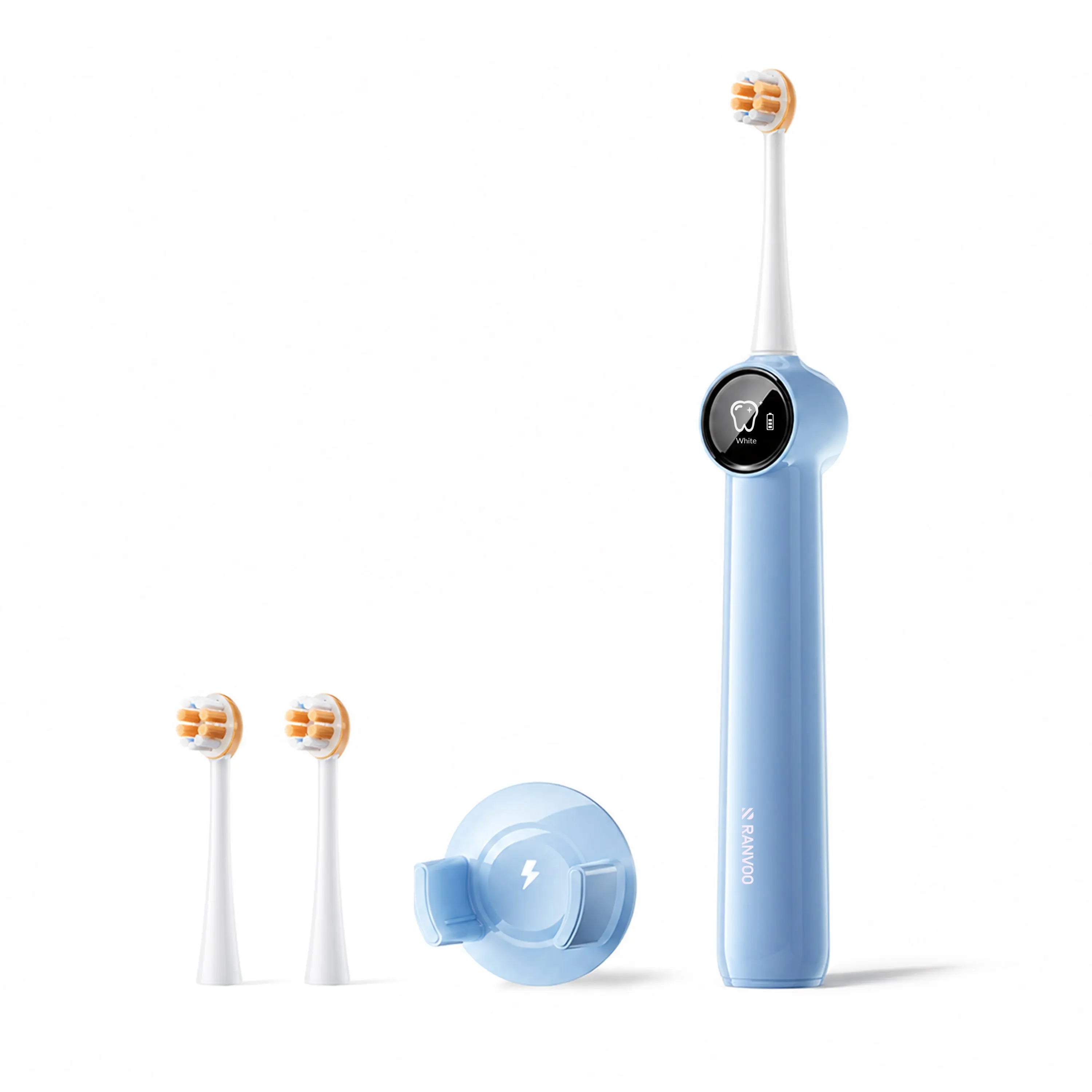
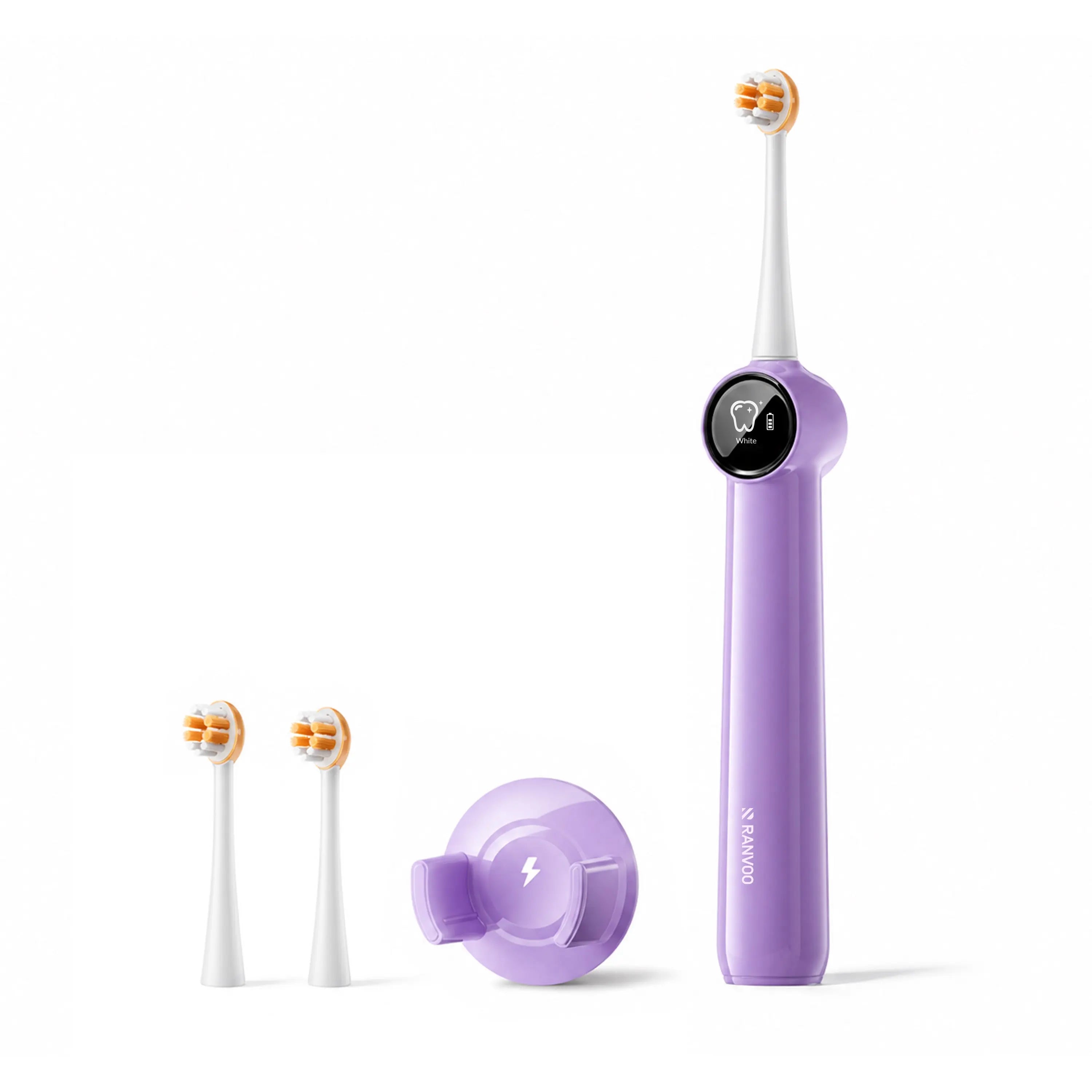
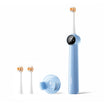
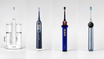
Morgen - Spülen Sie zunächst mit Wasser. Nach dem Aufwachen ist Ihr Mund trocken und sauer. Ein Spülgang mit klarem Wasser regt den Speichelfluss an und verdünnt die über Nacht entstandenen Säuren. - Putzen Sie sanft mit einer Zahnbürste mit weichen Borsten. Verwenden Sie eine fluoridhaltige Zahnpasta und nehmen Sie sich zwei volle Minuten Zeit. Putzen Sie mit einer elektrische Zahnbürste entfernt nicht nur Zahnbelag gründlicher, sondern sorgt auch dafür, dass das frische Fluorid Ihren Zahnschmelz gleichmäßig überzieht und so die Mineralstoffaufnahme maximiert. - Essen oder trinken Sie 30 Minuten nach dem Zähneputzen nichts. Dadurch hat das Fluorid Zeit, sich mit Ihrem Zahnschmelz zu verbinden.
Nach den Mahlzeiten oder nach dem Genuss säurehaltiger Getränke - Spülen Sie Ihren Mund mit Wasser aus unmittelbar nach dem Essen. Dies neutralisiert den pH-Wert schnell. - Warten Sie mindestens 30 Minuten, bevor Sie die Zähne putzen. Unmittelbar nach einem Säureangriff ist Ihr Zahnschmelz aufgeweicht – zu frühes Zähneputzen kann die geschwächte Oberflächenschicht tatsächlich wegschrubben. Dies ist einer der am häufigsten übersehenen Ratschläge zum Schutz des Zahnschmelzes. - Kauen Sie zuckerfreien Kaugummi mit Xylit , wenn Sie nicht putzen können. Xylitol reduziert kariesverursachende Bakterien und regt den Speichelfluss an, wodurch Ihre Zähne mit Kalzium und Phosphat versorgt werden.
Abend - Verwenden Sie zuerst Zahnseide. Zahnbelag zwischen den Zähnen ist ein Nährboden für säurebildende Bakterien. Durch dessen Entfernung kann Ihre remineralisierende Zahnpasta jede Oberfläche erreichen. - Putzen Sie erneut mit einer Zahnpasta, die Fluorid oder Nano-Hydroxylapatit enthält. Dies ist die wichtigste Phase, da der Speichelfluss während des Schlafs abnimmt. Sie möchten über Nacht eine starke Mineralschicht auf Ihrem Zahnschmelz aufbauen. - Beenden Sie die Pflege mit einer alkoholfreien, remineralisierenden Mundspülung empfohlen. Achten Sie auf Inhaltsstoffe wie Fluorid oder CPP-ACP. Spülen Sie den Mund aus und spucken Sie die Flüssigkeit aus – spülen Sie anschließend nicht mit Wasser nach, da Sie sonst die Wirkstoffe wegspülen.
Essen für den Wiederaufbau: Lebensmittel, die zahnschmelzstärkende Mineralien liefern

Remineralisierung findet ohne Ausgangsstoffe nicht statt. Ihre Ernährung kann direkt die Kalzium und Phosphat Ihrem Speichel zur Reparatur des Zahnschmelzes, und bestimmte Lebensmittel kurbeln den Mineralstofftransport in Ihrem Mund aktiv an.
Nehmen Sie diese täglich zu sich: - Milchprodukte (Milch, Joghurt, Käse): Reich an bioverfügbarem Kalzium, Kasein (das schützende Proteinfilme auf den Zähnen bildet) und Phosphat. Insbesondere Käse regt einen reichlichen Speichelfluss an. - Blattgemüse (Grünkohl, Spinat): Versorgen Sie Ihren Körper mit Kalzium und Vitamin K, das dabei hilft, Kalzium in Zähne und Knochen zu leiten. - Nüsse und Samen: Ihre knusprige Konsistenz regt mechanisch den Speichelfluss an und sie liefern Phosphor und Kalzium. - Mit Xylitol gesüßter Kaugummi oder Minzbonbons: Xylitol hemmt Streptococcus mutans, das Bakterium, das am stärksten für die zahnschmelzauflösende Säure verantwortlich ist. Es erfüllt zudem eine doppelte Funktion, indem es den Speichelgehalt an Kalziumionen erhöht.
Speichel ist das Transportsystem Ihres Mundes. Jedes Mal, wenn Sie kauen, baden Sie Ihren Zahnschmelz in einer mineralreichen Flüssigkeit, die Säure neutralisiert und Kalzium und Phosphat in die Mikroläsionen befördert. Betrachten Sie Ihre Mahlzeiten als Gelegenheit, diesen Prozess anzukurbeln. Sie „vermeiden“ nicht nur Karies – Sie versorgen den Bereich um Ihre Zähne aktiv mit den Bausteinen, die für die Reparatur benötigt werden.
Produkte, die wirken: Evidenzbasierte Remineralisierungsmittel
Der Zahnpasta-Regal ist voll mit Versprechungen zur „Zahnschmelzreparatur“. Um den Hype zu durchschauen, muss man die Chemie verstehen.
Fluorid ist nach wie vor der Goldstandard. Es wirkt als Katalysator und beschleunigt die Bildung von Fluorapatit-Kristallen, die säurebeständiger sind als natürliches Hydroxylapatit. Zahnpasten in verschreibungspflichtiger Stärke (5000 ppm) sind über Ihren Zahnarzt für Risikophasen erhältlich, während frei verkäufliche Formulierungen (1000–1500 ppm) für die tägliche Pflege ausreichen.
Nano-Hydroxylapatit Zahnpasta ist eine überzeugende Alternative, insbesondere für diejenigen, die Fluorid meiden. Diese synthetischen Partikel sind chemisch identisch mit dem Mineral in Ihren Zähnen und können mikroskopisch kleine Defekte und freiliegende Dentinkanälchen direkt ausfüllen, wodurch die Empfindlichkeit verringert und eine glattere Oberfläche geschaffen wird.
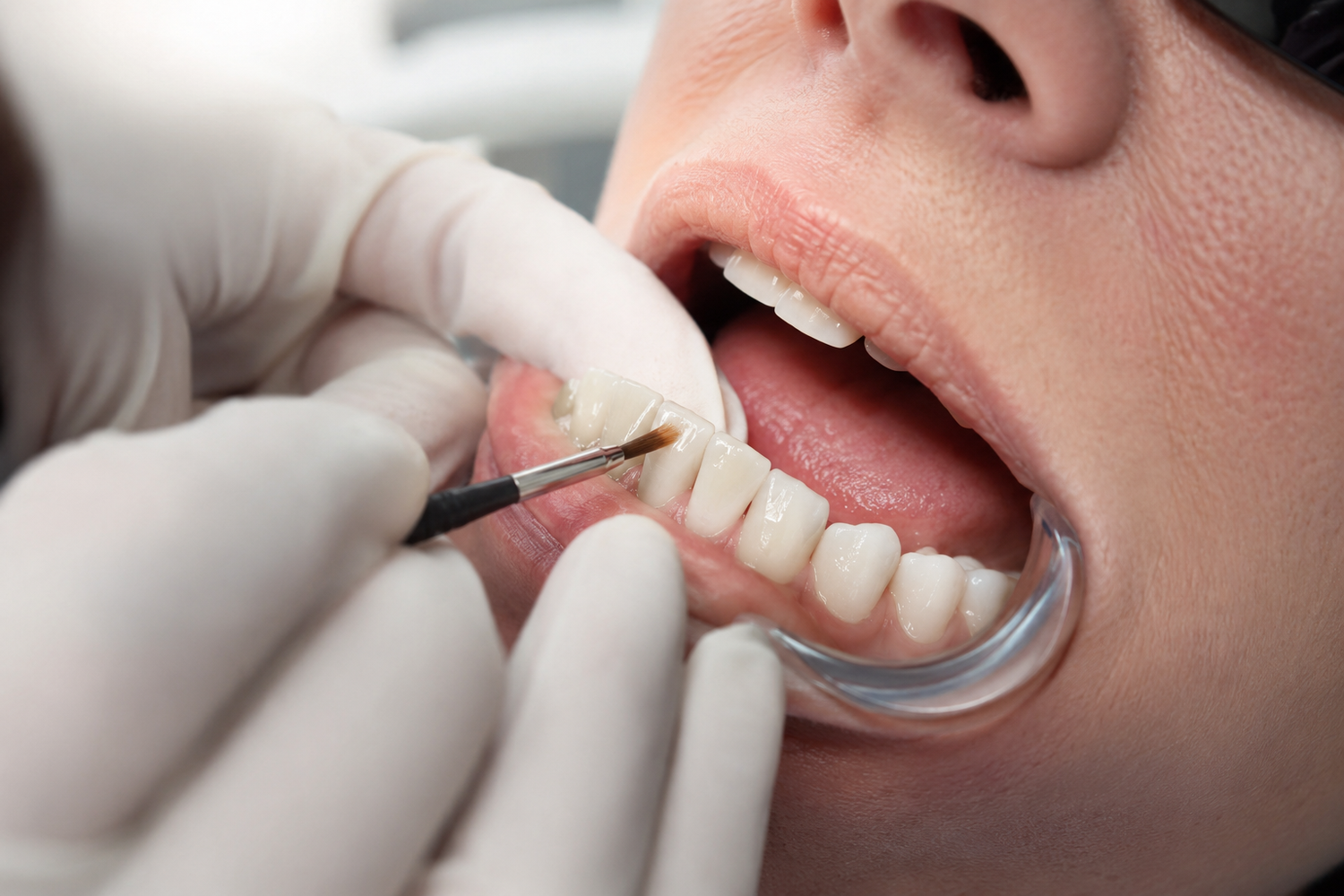
CPP-ACP (Kaseinphosphopeptid – amorphes Kalziumphosphat) ist eine aus Milch gewonnene Technologie, die bioverfügbares Kalzium und Phosphat an den Zahnschmelz bindet und so ein Mineralreservoir schafft, das Ionen genau dann freisetzt, wenn der Säuregehalt steigt. Eine systematische Übersichtsarbeit bestätigte, dass CPP-ACP bei der Remineralisierung von White-Spot-Läsionen wirksam ist, die Kombination mit Fluorid jedoch noch bessere Ergebnisse liefert. Für Patienten, die einen beschleunigten Schub benötigen – beispielsweise nach einer kieferorthopädischen Behandlung – Eine hochkonzentrierte 60-prozentige CPP-ACP-Formulierung, die täglich angewendet wurde, führte in nur zwei Wochen zu einer Remineralisierung von 36,6 % bei frühen Läsionen in einer In-situ-Studie. Diese professionellen Pasten oder Gele werden mit einem Pinsel oder einer Schiene aufgetragen und können den Prozess erheblich beschleunigen.
Achten Sie bei der Auswahl eines Produkts auf die Wirkstoffe, nicht auf das Marketing. Eine Zahnpasta, die Fluorid plus Xylitol oder Nano-Hydroxylapatit mit Xylitol enthält, bietet Ihnen mehrere Angriffspunkte: Sie stärkt den vorhandenen Zahnschmelz, liefert Bausteine und entzieht säureproduzierenden Bakterien die Nährstoffe.
Stoppen Sie diese Zahnschmelz-Killer: Versteckte Gewohnheiten, die Ihre Fortschritte zunichte machen

Selbst eine perfekte Remineralisierungsroutine kann durch drei heimtückische Zerstörer sabotiert werden.
- Den ganzen Tag über Zitronenwasser, Kombucha oder kohlensäurehaltige Getränke in großen Mengen zu trinken. Das stundenlange Nippen an säurehaltigen Getränken hält den pH-Wert in Ihrem Mund unter dem kritischen Wert von 5,5, wodurch Mineralien schneller ausgewaschen werden, als der Speichel sie ersetzen kann. Wenn Sie nicht darauf verzichten können, verwenden Sie einen Strohhalm, spülen Sie nach jedem Schluck mit Wasser den Mund aus und putzen Sie mindestens 30 Minuten lang nicht die Zähne. Die Schäden durch ständiges Einwirken von Säure sind so schnell, dass sie wochenlange Bemühungen zur Remineralisierung zunichte machen können.
- Zähneputzen unmittelbar nach Erbrechen oder saurem Reflux. Magensäure ist weitaus stärker als Säure aus der Nahrung. Zähneputzen direkt nach dem Kontakt mit Säure schleift den aufgeweichten Zahnschmelz wie Sandpapier ab. Spülen Sie stattdessen kräftig mit Wasser und einer Prise Natron (um den pH-Wert zu neutralisieren) und warten Sie mindestens eine Stunde, bevor Sie die Zähne putzen. Wenn Sie GERD oder chronischer Refluxist die Behandlung der zugrunde liegenden Erkrankung entscheidend für den Erhalt Ihres Zahnschmelzes.
- Nächtliches Zähneknirschen (Bruxismus). Selbst wenn tagsüber eine Remineralisierung stattfindet, kann unbewusstes Zähneknirschen den Zahnschmelz mechanisch brechen und abflachen, schneller als er wieder aufgebaut werden kann. Eine individuell angefertigte Nachtschiene schützt nicht nur – sie verhindert auch die Mikrorisse, durch die Säure dann tiefer eindringen kann. Wenn Sie mit Kieferschmerzen oder Kopfschmerzen aufwachen oder abgeflachte Zahnkanten bemerken, schädigt Bruxismus wahrscheinlich Ihren Zahnschmelz. Wenn Sie zudem dazu neigen, beim Zähneputzen zu stark zu schrubben, ein Elektrozahnbürste Zahnbürste mit integriertem Drucksensor kann Sie warnen, wenn Sie zu fest aufdrücken, und so den Zahnschmelz vor unnötigem Verschleiß schützen.
Wann professionelle Hilfe sinnvoll ist

Zahnpflege zu Hause ist sehr wirksam, doch bestimmte Anzeichen deuten darauf hin, dass es Zeit für zusätzliche Maßnahmen ist:
- Anhaltende Empfindlichkeit auf Heißes, Kaltes oder Süßes, die sich nach einem Monat konsequenter Remineralisierung nicht bessert.
- Transparenz an den Schneidekanten der Vorderzähne – ein klassisches Anzeichen für Zahnschmelzausdünnung.
- Kleine Vertiefungen oder tatsächliche Rauheit Erfolg, den Sie mit der Zunge spüren können.
Das sind keine Misserfolge, sondern Signale, die Maßnahmen zu intensivieren. Ihr Zahnarzt kann Fluoridlack in weitaus höheren Konzentrationen als Zahnpasta, die tiefer eindringt und eine lang anhaltende Mineralfreisetzung bewirkt. CPP-ACP-Zahnpasten (wie z. B. MI Paste) kann für die Anwendung zu Hause mit individuell angefertigten Schienen verschrieben werden, um die Behandlung auf bestimmte Läsionen zu konzentrieren. Und wenn Zähneknirschen der Hauptverursacher ist, stoppt eine professionell angepasste Nachtschiene die mechanische Zerstörung sofort.
Diese Verfahren sind schmerzfrei, schnell und werden oft von der Krankenkasse als Vorsorgemaßnahme übernommen. Sie ersetzen nicht Ihre tägliche Routine – sie sorgen dafür, dass sie schneller wirkt.
Ihre Fortschritte verfolgen: Ein realistischer Zeitplan und was Sie erwarten können
Remineralisierung ist ein langsamer, stetiger biologischer Prozess, keine schnelle Lösung. Aber Sie können den Fortschritt messen.
Erste 2–4 Wochen: Wahrscheinlich werden Sie feststellen, dass die Empfindlichkeit nachlässt. Das stechende Gefühl bei kaltem Wasser wird weniger stark, da die Dentintubuli abgedeckt werden. Ihre Zähne fühlen sich für Ihre Zunge möglicherweise glatter an, da die Oberfläche wieder an Dichte gewinnt.
4–8 Wochen: Frühe White-Spot-Läsionen können optisch schrumpfen oder verblassen, insbesondere wenn Sie eine hochfluoridhaltige oder CPP-ACP-Therapie anwenden. Der Zahnschmelz sollte im trockenen Zustand weniger undurchsichtig aussehen.
3–6 Monate: Schwerer zu erkennen, aber mit professionellen Geräten wie DIAGNOdent oder QLF nachweisbar – der Mineralgehalt der Läsion kann messbare Zuwächse aufweisen. Eine vollständige Rückbildung dauert oft Monate statt Wochen, kann aber ohne Bohren erfolgen.
Um motiviert zu bleiben, bewerten Sie Ihre Empfindlichkeit beim Trinken von kaltem Wasser auf einer einfachen Skala von 1 bis 10. Achten Sie auf diese kleinen, spürbaren Erfolge. Sie sind der Beweis dafür, dass Ihre Strategie die Struktur Ihres Lächelns wieder aufbaut – Mineralion für Mineralion.
Dieser Artikel wurde von einer Fachkraft für Mundgesundheit auf seine Richtigkeit hin überprüft. Er dient der allgemeinen Information und sollte nicht als Ersatz für eine individuelle medizinische Beratung, Diagnose oder Behandlung verwendet werden. Wenn Sie Fragen oder Bedenken bezüglich Ihrer Mundgesundheit haben, wenden Sie sich bitte an einen Zahnarzt, Arzt oder eine andere qualifizierte medizinische Fachkraft.