
TL;DR: Kohlezahnbürsten mögen weniger Bakterien auf ihren Borsten enthalten, aber sie reinigen die Zähne nicht besser als eine normale weiche Bürste. Die Abrasivität kann Zahnschmelz abtragen, Zahnfleisch reizen, und kein Modell hat das ADA-Siegel der Anerkennung erhalten. Wenn Sie eine sichere, wirksame Reinigung wünschen, bleiben Sie bei einer normalen Nylonbürste und fluoridhaltiger Zahnpasta.
Was genau ist eine Kohlezahnbürste?
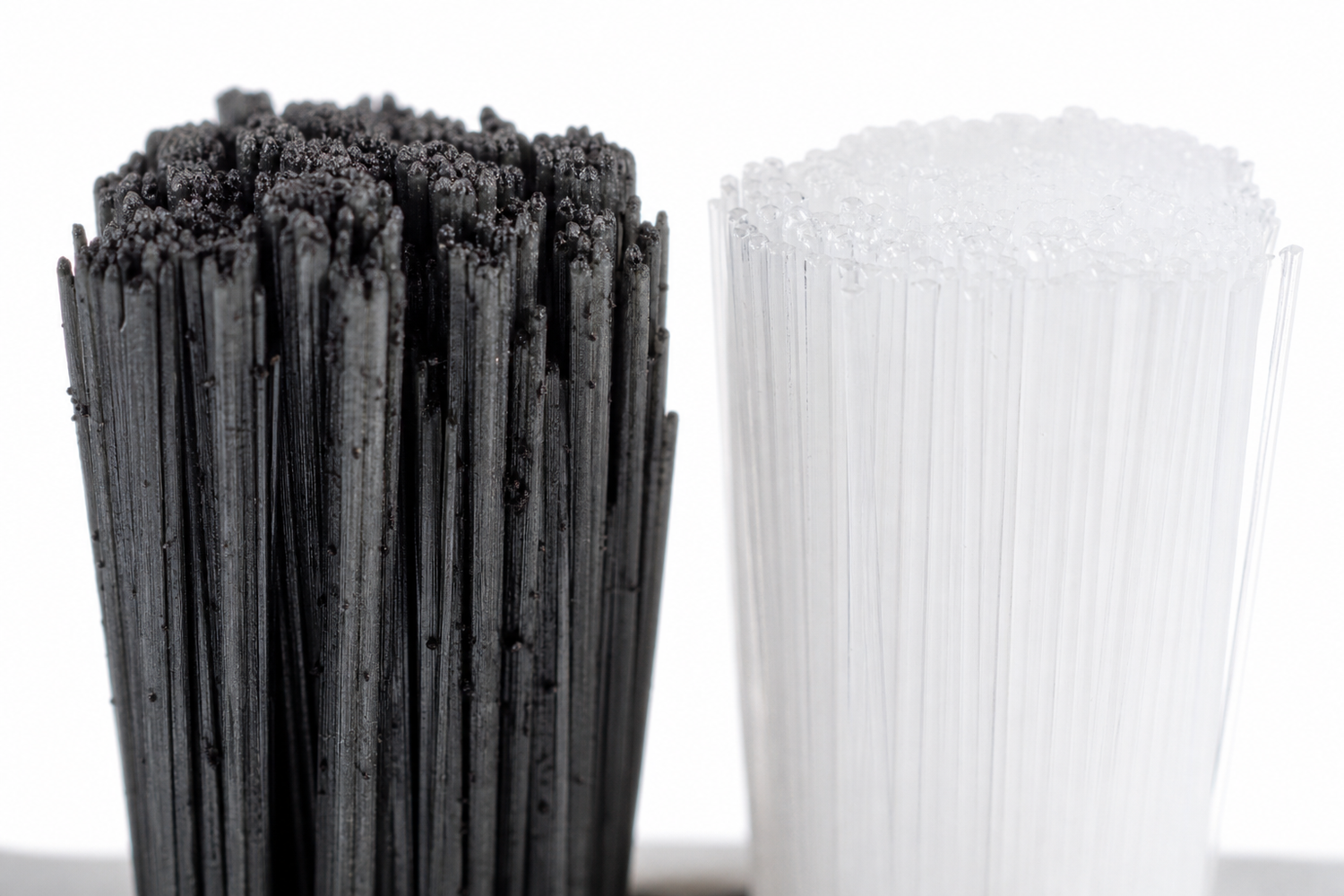
Eine Kohlezahnbürste sieht aus wie jede andere Handzahnbürste, aber ihre Nylonborsten sind mit feinem Aktivkohlepulver beschichtet oder versetzt. Hersteller behaupten, dass die Kohle den Mund „entgiftet“, die Zähne aufhellt und Bakterien bekämpft, indem sie Verunreinigungen bindet. Die Idee übernimmt die bekannte adsorptive Fähigkeit von Kohle – die in Wasserfiltern und in der Notfallmedizin verwendet wird – und wendet sie auf die Mundpflege an.

Kohleinfundierte Borsten vs. Standard-Nylon: Hauptunterschiede
- Material: Nylonborsten mit Aktivkohle versetzt vs. einfaches Nylon.
- Textur und Steifigkeit: Oft fester oder gröber, obwohl weiche Varianten existieren.
- Marketingfokus: Aufhellung, Bakterienreduktion und Atemerfrischung.
- Sicherheitsmaßstab: Standard weiche Nylonbürsten tragen häufig das ADA-Siegel der Anerkennung; keine Kohlebürste tut das.
Die Theorie hinter den Behauptungen
Marken sagen, dass Aktivkohle „entgiftet“, indem sie Flecken und geruchsverursachende Verbindungen von Zahnoberflächen zieht. Die Logik: Die poröse Struktur von Kohle fängt Tannine aus Kaffee, Tee und Wein ein, was zu einem strahlenderen Lächeln führt. Das Aufhellungsversprechen ist streng genommen nur die Entfernung von Oberflächenflecken – es wird die natürliche Zahnfarbe nicht verändern.
Was die Forschung tatsächlich sagt
Studien zu Kohle- zahnbürsten sind spärlich, daher stützen wir uns teilweise auf das, was über Kohlepulver und -pasten bekannt ist.
Aufhellen Kohlezahnbürsten die Zähne?
Die milde Abrasivität von Kohle kann einige Oberflächenflecken wegschrubben, aber sie bleicht nicht. Wasserstoffperoxid dringt in den Zahnschmelz ein, um die Farbe zu verändern; Kohle schrubbt nur die äußere Schicht.
- Vorteile: Vorübergehende Verbesserung, wenn die Flecken frisch sind.
- Nachteile: Anhaltende Abrasion kann den Zahnschmelz verdünnen und das darunterliegende gelblichere Dentin freilegen – wodurch die Zähne mit der Zeit dunkler aussehen.
Ein Artikel von Consumer Reports erklärt, dass die Abrasivität von Aktivkohle-Zahnpasta nach hinten losgehen kann, indem sie zu viel Zahnschmelz entfernt und mehr Dentin freilegt [Quelle].
Zahnschmelz und Dentin: Was Labortests zeigen
Zahnschmelz-Erosion ist die Hauptsorge. Eine Übersichtsarbeit weist darauf hin, dass Aktivkohle die Zähne reizen kann, indem sie den Zahnschmelzerodiert, und sobald er weg ist, regeneriert er sich nie wieder [Quelle]. Es gibt keinen standardisierten RDA-Wert (Relative Dentin Abrasivity) für Kohleborsten, daher sind Bürsten, die sich "mittel" oder "fest" anfühlen, für aggressive Putzer ein hohes Risiko.
Können Kohleborsten Bakterien abtöten?
Der einzige Bereich, in dem Aktivkohle ein klares Signal zeigt, ist die bakterielle Kontaminationder Borsten. Eine randomisierte kontrollierte Studie ergab, dass Kohlebürsten nach einer Woche deutlich weniger Bakterienkolonien aufwiesen als Bürsten ohne Kohle, und bei 96,6 % der Teilnehmer sank die Bakterienzahl in der Zahnfleischtaschenflüssigkeit [PMC7791587]. Sauberere Borsten bedeuten jedoch nicht unbedingt gesündere Zähne – Plaque-Entfernung und Zahnfleisch-Ergebnisse in Humanstudien zeigen keinen konsistenten Vorteil.
Expertenkonsens: Ein klares "Buyer Beware"
Zahnmediziner raten überwiegend zur Vorsicht. "Aktivkohle sollte nicht langfristig verwendet werden", sagt Dr. Adatrow, und Dr. Kalasho warnt, dass bei Menschen mit Veneers oder Kronen "irreversible Schäden verursacht werden" [Healthline]. Die meisten Zahnärzte empfehlen weiterhin eine normale Zahnbürste mit weichen Borsten und verweisen auf fehlende Sicherheitsnachweise und das Fehlen einer ADA-Zulassung.
Die tatsächlichen Nachteile einer Kohlezahnbürste

Zahnschmelz-Erosion und Zahnenpfindlichkeit
Aggressives Putzen mit steifen, abrasiven Kohlefilamenten kann den schützenden Zahnschmelz abtragen und zu Zahnenpfindlichkeitführen. Menschen mit Säureerosion, bereits bestehendem Verschleiß oder starkem Putzverhalten sind am stärksten gefährdet. Ist der Zahnschmelz erst einmal verloren, reagiert das darunterliegende Dentin bei heißen, kalten oder süßen Speisen mit stechenden oder kribbelnden Empfindungen.
Zahnfleischrezession und Schädigung des Weichgewebes
Feste Kohleborsten können den Zahnfleischrand traumatisieren und zu Zahnfleischrezession. Der schwarze Staub kann auch frühe Blutungszeichen überdecken, sodass Sie eine Entzündung übersehen könnten. Dies ist ein nicht zu unterschätzendes Risiko—zurückgehendes Zahnfleisch wächst nicht nach.
Der Schmutzfaktor und fehlendes Fluorid
Aktivkohlebürsten geben dunkle Rückstände ab, die am Waschbecken, an der Zunge und am Zahnfleisch haften bleiben können. Wichtiger noch: Die Bürste allein liefert kein Fluorid. Um Karies vorzubeugen, müssen Sie weiterhin eine Fluorid-Zahnpasta verwenden, und die Kombination aus abrasiven Borsten und körniger Paste kann den Verschleiß verstärken.
Aktivkohle-Zahnbürste vs. herkömmliche Zahnbürste: Ein direkter Vergleich
| Eigenschaft | Aktivkohle-Zahnbürste | Standard weiche Nylonbürste |
|---|---|---|
| Plaque-Entfernung | Höchstens gleichwertig; die meisten Studien zeigen keinen Unterschied | Nachweislich wirksam |
| Aufhellung | Nur oberflächliche Entfernung von Verfärbungen | Keine Aufhellung über die mechanische Reinigung hinaus |
| Zahnfleischsicherheit | Höheres Risiko des Zahnfleischrückgangs aufgrund der Steifheit | Sicher bei sanfter Anwendung |
| Bakterienkontrolle auf den Borsten | Niedrigere KBE-Werte | Möglicherweise regelmäßige Desinfektion erforderlich |
| ADA-Anerkennung | Keine | Viele Modelle tragen das Siegel |
| Kosten | Oft höher | Preiswert und weit verbreitet |
Plaque-Entfernung: Was die Daten uns sagen
Eine nigerianische klinische Studie verglich beide Typen und stellte fest, dass „eine mit Aktivkohle angereicherte Zahnbürste nicht besser war als die Nylonborsten-Zahnbürste bei der Reduzierung des Plaque-Spiegels“ nach drei Wochen [Quelle]. Eine separate Crossover-Studie stellte nach sechs Wochen etwas weniger Borstenabnutzung und geringfügig bessere Plaque-Werte mit Holzkohle fest, aber die Unterschiede waren minimal und klinisch nicht bahnbrechend.
Warum die ADA kein Zeichen gegeben hat
Keine Holzkohle-Zahnbürste trägt das ADA-Siegel der Akzeptanz. Dieses Siegel bedeutet, dass das Produkt auf Sicherheit und Wirksamkeit geprüft wurde—die abrasive Natur vieler Holzkohlevarianten verhindert, dass sie bestehen. Die ADA empfiehlt durchweg Zahnbürsten mit weichen Borsten; wenn sich eine Holzkohle-Zahnbürste nicht weich anfühlt, fällt sie bereits außerhalb dieser Richtlinie.
Wann man eine Holzkohle-Zahnbürste in Betracht ziehen (oder vermeiden) sollte
Szenarien, in denen Sie experimentieren könnten—mit großer Vorsicht
- Sie möchten gelegentlich frische Kaffee- oder Teeflecken entfernen und Sie verwenden eine ultraweiche Holzkohle-Zahnbürste mit flexiblen Borsten.
- Sie planen, sie höchstens zweimal pro Woche zu verwenden und mit einer regulären ADA-akzeptierten Zahnbürste abzuwechseln.
Wer definitiv keine verwenden sollte
- Personen mit empfindlichen Zähnen, abgenutztem Zahnschmelz oder zurückgehendem Zahnfleisch.
- Jeder mit zahnärztlichen Restaurationen (Veneers, Kronen, Bonding).
- Aggressive Putzer, die eher schrubben als gleiten.
- Kinder, deren Zahnschmelz dünner und leichter abriebbar ist.
Wenn Sie es trotzdem versuchen möchten: Eine sichere Anwendungsanleitung

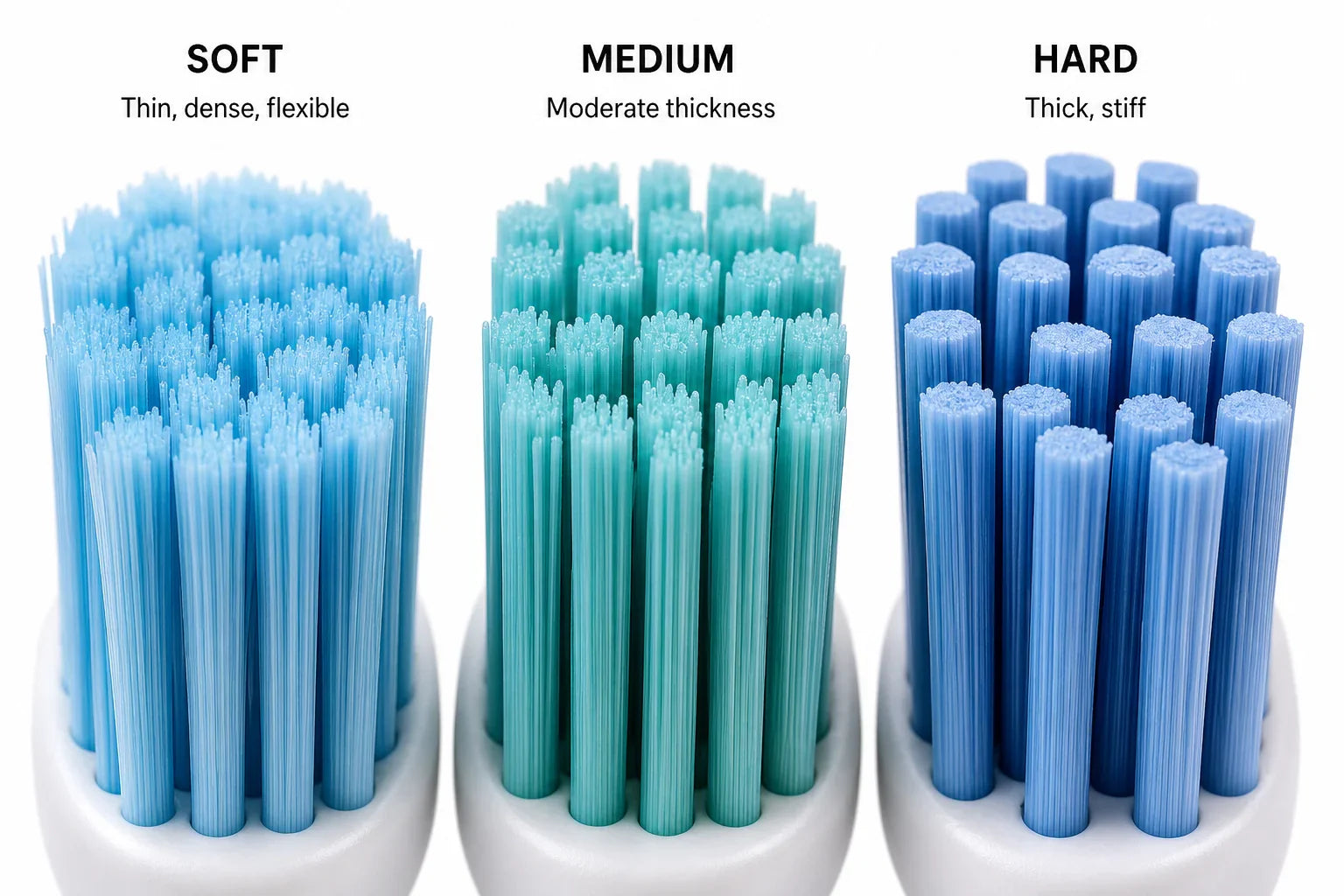
- Wählen Sie eine Holzkohle-Zahnbürste mit ultraweichen Borsten. Überprüfen Sie die Etiketten sorgfältig—viele Holzkohle-Zahnbürsten sind mittelhart. Wenn sie sich in der Hand steif anfühlt, ist sie zu hart für Ihre Zähne.
- Verwenden Sie immer eine fluoridhaltige Zahnpasta. Die Zahnbürste allein schützt nicht vor Karies.
- Üben Sie leichten Druck aus und halten Sie einen 45-Grad-Winkel ein. Lassen Sie die Borsten knapp unter den Zahnfleischrand reichen, ohne zu drücken. Denken Sie an "Massage", nicht an "Schrubben".
- Begrenzen Sie die Verwendung auf ein paar Mal pro Woche. Wechseln Sie für die tägliche Reinigung mit einer standardmäßigen Nylon-Zahnbürste mit weichen Borsten.
- Ersetzen Sie sie alle 3 Monate—oder früher—wenn Borsten spreizen oder ausfransen, da abgenutzte Holzkohlespitzen sogar noch abrasiver werden können.
Sicherere Wege zum Aufhellen und Tiefenreinigen
- ADA-anerkannte Aufhellungs-Zahnpasten mit Silica oder Backpulver: geringe Abrasivität, bewiesene Fleckenentfernung.
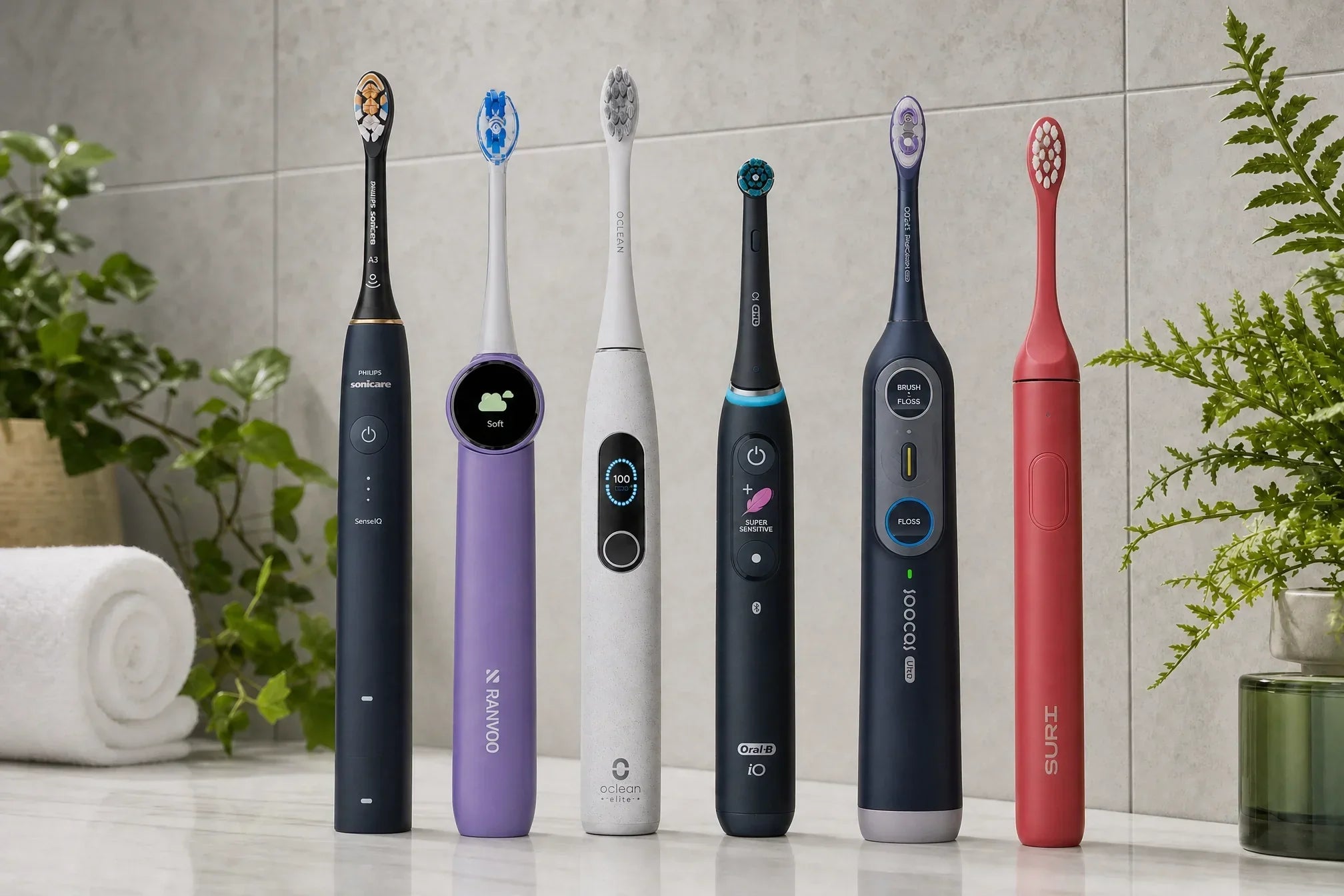
- Elektrische Zahnbürste mit Drucksensor: Oszillierend-rotierende Bürsten entfernen Flecken und Plaque effizient ohne Überbürsten. Für diejenigen mit empfindlichem Zahnfleisch oder einer Geschichte von aggressivem Putzen, erwägen Sie die RANVOO AirJet X5 Elektrische Zahnbürste, die eine sanfte „Blasen“-Technologie verwendet, um effektiv zu reinigen, während sie Zahnschmelz und Zahnfleischgewebe schützt. Ihr eingebauter Drucksensor und das Design mit weichen Borsten machen sie zu einer idealen täglichen Alternative für alle, die sich Sorgen um Zahnfleischschäden oder Zahnempfindlichkeit machen.
- Professionelles Aufhellen in der Praxis oder von Zahnärzten überwachte Schienen für zu Hause für vorhersehbare, sichere Ergebnisse.
- Ernährungstricks: Spülen Sie nach färbenden Getränken mit Wasser, verwenden Sie einen Strohhalm für Kaffee oder Tee und kauen Sie zuckerfreien Kaugummi, um den Speichel anzuregen.
Das Fazit
Holzkohle-Zahnbürsten beherbergen möglicherweise weniger Bakterien auf ihren Borsten, aber dieser einzige Vorteil überwiegt nicht die dokumentierten Risiken für Zahnschmelz und Zahnfleisch. Keine Holzkohle-Bürste hat das ADA-Siegel erhalten, und die meisten Zahnmediziner sind sich einig: Eine weiche Nylon-Zahnbürste mit Fluorid-Zahnpasta bleibt der Goldstandard. Wenn weiße Zähne Ihr Ziel sind, sprechen Sie mit Ihrem Zahnarzt über sichere, effektive Optionen—Ihr Zahnschmelz ist keine Oberfläche, an der man experimentieren sollte.



Hinterlasse einen Kommentar
Diese Website ist durch hCaptcha geschützt und es gelten die allgemeinen Geschäftsbedingungen und Datenschutzbestimmungen von hCaptcha.