







Wenn Sie nur putzen, übersehen Sie 40 % Ihrer Zahnoberflächen. Die eigentliche Frage ist: Wie reinigen Sie den Rest effektiv, und welches Werkzeug macht es besser? Hier ist, was jahrzehntelange Forschung sagt.
Was Interdentalbürsten und Zahnseide tatsächlich tun
Zahnseide: Der Klassiker
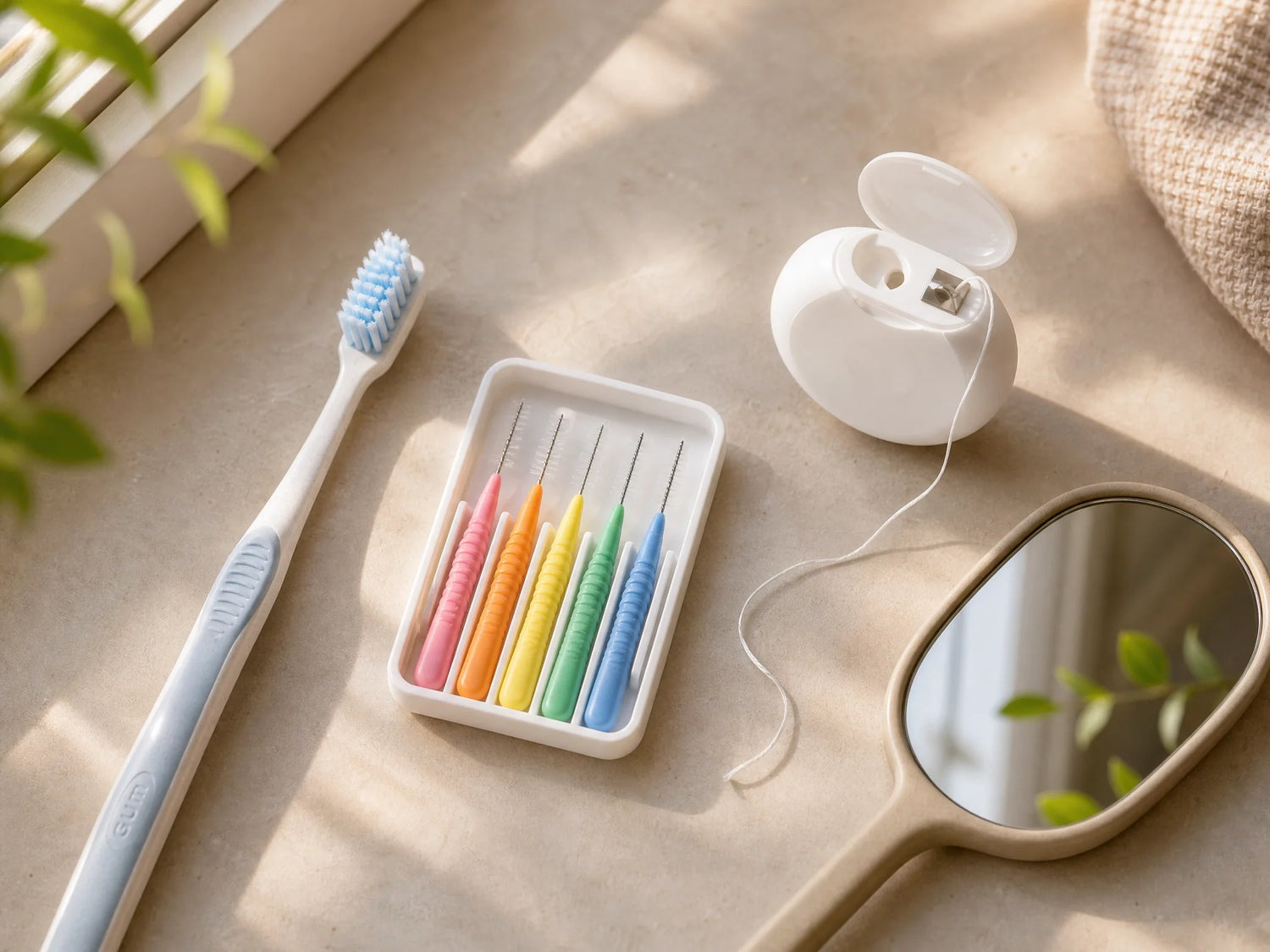
Zahnseide verwendet einen dünnen Nylon- oder PTFE-Faden, um Zahnbelag von den engsten Zahnseiten zu entfernen. Ob gewachst, ungewachst, als Band oder Superfloss – der Mechanismus ist derselbe: manuelle Entfernung des klebrigen Biofilms, den eine Zahnbürste nicht erreichen kann.
Interdentalbürsten: Kleine Borsten, große Wirkung
Eine Interdentalbürste (oder Interproximalbürste) hat einen kleinen Kopf mit Borsten, die um einen zentralen Draht angeordnet sind. Statt zu schaben, füllt sie den Zahnzwischenraum aus und schrubbt den Belag mechanisch ab. – In farbcodierten Größen erhältlich (ISO/Durchtrittsdurchmesser) – Abgewinkelte oder gerade Griffe für besseren Zugang zu den hinteren Zähnen – Wiederverwendbar – einfach ausspülen und die Kappe ersetzen
Warum diese Debatte für Ihr Zahnfleisch wichtig ist
Das von Ihnen gewählte Werkzeug beeinflusst direkt, wie viel Plaque Sie zurücklassen. Bleibt dieser Biofilm ungestört, löst er Gingivitisaus – rotes, geschwollenes Zahnfleisch, das blutet. Mit der Zeit kann er sich zu Zahnstein verhärten und zu tieferen Zahnfleischtaschen führen. Und kein einzelnes Werkzeug passt in jede Lücke.

Welches Werkzeug entfernt mehr Plaque? Die klinischen Belege
Wirksamkeit von Interdentalbürsten: Was Studien zeigen
Mehrere systematische Übersichtsarbeiten kommen zu dem Schluss, dass Interdentalbürsten Zahnseide bei der Plaqueentfernung übertreffen. In einem Cochrane-Review von 2019 deuteten Belege mit geringer Sicherheit darauf hin, dass Interdentalbürsten Plaque stärker reduzieren als alleiniges Zähneputzen, und dass sie bei Gingivitis nach einem und drei Monaten wirksamer sein können als Zahnseide Quelle. Eine Netzwerk-Meta-Analyse, die 10 Interdentalhilfen einstufte, setzte Interdentalbürsten an die erste Stelle zur Reduzierung von Zahnfleischentzündungen (64,7 % Wahrscheinlichkeit, am besten zu sein), während Zahnseide nahezu null erreichte Quelle.
Wo Zahnseide immer noch einen Vorteil hat
Zahnseide bleibt dort notwendig, wo die Kontakte so eng sind, dass selbst die kleinste Bürste nicht ohne Gewalt hineinpasst. In diesen Fällen kann ein dünner PTFE-Faden oder ein Band hindurchgleiten und effektiv Karies in den Zahnzwischenräumen Risiko—vorausgesetzt, die Technik ist einwandfrei.
Plaqueentfernung auf einen Blick
| Kriterium | Interdentalbürste | Zahnseide |
|---|---|---|
| Plaquereduktion in breiteren Zahnzwischenräumen | Höhere mittlere Reduktion des Plaque-Index | Weniger effektiv |
| Plaquereduktion in engen Zahnzwischenräumen | Passt möglicherweise nicht | Effektiv, wenn die Technik perfekt ist |
| Evidenz aus klinischen Studien (Plaque-Index) | Statistisch signifikanter Vorteil gegenüber Zahnseide in mehreren Meta-Analysen | Uneinheitlicher Nutzen |
| Patientencompliance | Wegen der einfachen Handhabung im Allgemeinen bevorzugt | Wird oft wegen Schwierigkeiten aufgegeben |
Was ist mit Zahnfleischbluten und Zahnfleischerkrankungen?
Interdentalbürsten reduzieren Blutungen besser
Studien berichten durchweg über größere Rückgänge bei den Blutungswerten beim Sondieren mit Interdentalbürsten. Eine systematische Überprüfung ergab einen mittleren Unterschied von 0,08 (95% KI 0,03 bis 0,14) zugunsten von Bürsten bei der Blutungsreduktion gegenüber Zahnseide nach 4–12 Wochen Quelle. Die Borsten können 2–2,5 mm unter den Zahnfleischrand gelangen und Bakterien stören, die Zahnseide oft übersieht.
Wo Zahnseide versagt
Bei Patienten mit Zahnfleischrückgang, vorhandenen Zahnfleischtaschen oder freiliegenden Wurzelkonkavitäten passt sich Zahnseide möglicherweise nicht gut an und kann sogar die Papille verletzen. Die Technik wird entscheidend: Zahnseide ins Zahnfleisch schnappen zu lassen, schadet mehr, als es nützt. Für diese Situationen ist eine richtig dimensionierte Interdentalbürste weitaus sicherer und effektiver.
Wichtige Erkenntnis: Die Verwendung einer Interdentalbürste reduziert Zahnfleischentzündungen um schätzungsweise 34% und die Plaque-Werte um 32% im Vergleich zum alleinigen Zähneputzen, so eine Meta-Übersicht mehrerer systematischer Übersichtsarbeiten.
Das richtige Werkzeug für Ihre Zähne auswählen
Die richtige Größe für Interdentalbürsten finden
Verwenden Sie den größten Durchmesser, der sich mit leichtem Widerstandeinführen lässt—niemals mit Gewalt. - Lassen Sie Ihren Zahnarzt oder Ihre Dentalhygienikerin die Zahnzwischenräume mit einer IAP-Sonde messen. - Testen Sie eine Größe: Wenn die Bürste zu leicht hineingleitet und die Seiten nicht berührt, gehen Sie eine Größe höher. - Ersetzen Sie die Bürste, wenn die Borsten verformt sind (in der Regel alle 7–14 Tage).
Szenarien, in denen nur Zahnseide geeignet ist
- Sehr enge Kontaktpunkte ohne sichtbaren Zwischenraum
- Direkt nach einer kieferorthopädischen Behandlung, wenn sich die Zähne noch setzen
- Zugang um geklebte Retainer, wo eine Bürste nicht hindurchpasst
Die Kraft der Kombination
Für die meisten Münder ist die intelligenteste Routine eine Mischung: Verwenden Sie eine Interdentalbürste für die größeren Zwischenräume (oft die hinteren Backenzähne und alle offenen Stellen) und Zahnseide für die Frontzähne oder enge Kontaktpunkte. Diese Personalisierung nennt man personalisierte mechanische Plaqueentfernung (PMPR). Bitten Sie Ihre Dentalprofis, Ihnen eine "Karte" zu zeichnen, welches Werkzeug wohin gehört.

Häufige Fehler, die Ihre Bemühungen zunichtemachen
Eine zu große Bürste erzwingen
Das Einführen einer Bürste in einen zu kleinen Zwischenraum kann Zahnfleischgewebe einschneiden und Wurzeloberflächen abtragen. Wenn Sie nach dem Einführen stechende Schmerzen spüren oder Blutungen sehen, reduzieren Sie sofort die Größe.
Zahnseide-Technik ist wichtig: Die C-Form
- Führen Sie die Zahnseide vorsichtig zwischen den Zähnen—niemals aggressiv hin- und hersägen.
- Formen Sie sie zu einem "C" an einer Zahnoberfläche.
- Gleiten Sie sie auf und ab, leicht unter den Zahnfleischrand.
- Wiederholen Sie dies an der angrenzenden Zahnseite.
- Verwenden Sie für jeden Kontaktpunkt einen sauberen Abschnitt der Zahnseide.
Vergessen Sie die hinteren Zähne nicht
Die äußeren Seiten Ihrer letzten Backenzähne sind ideale Verstecke. Stellen Sie sicher, dass jedes Interdentalwerkzeug hinter Ihren letzten Zahn reicht—diese Oberfläche ist ein häufiger Ausgangspunkt für Karies.
Die falsche Zahnbürste wählen
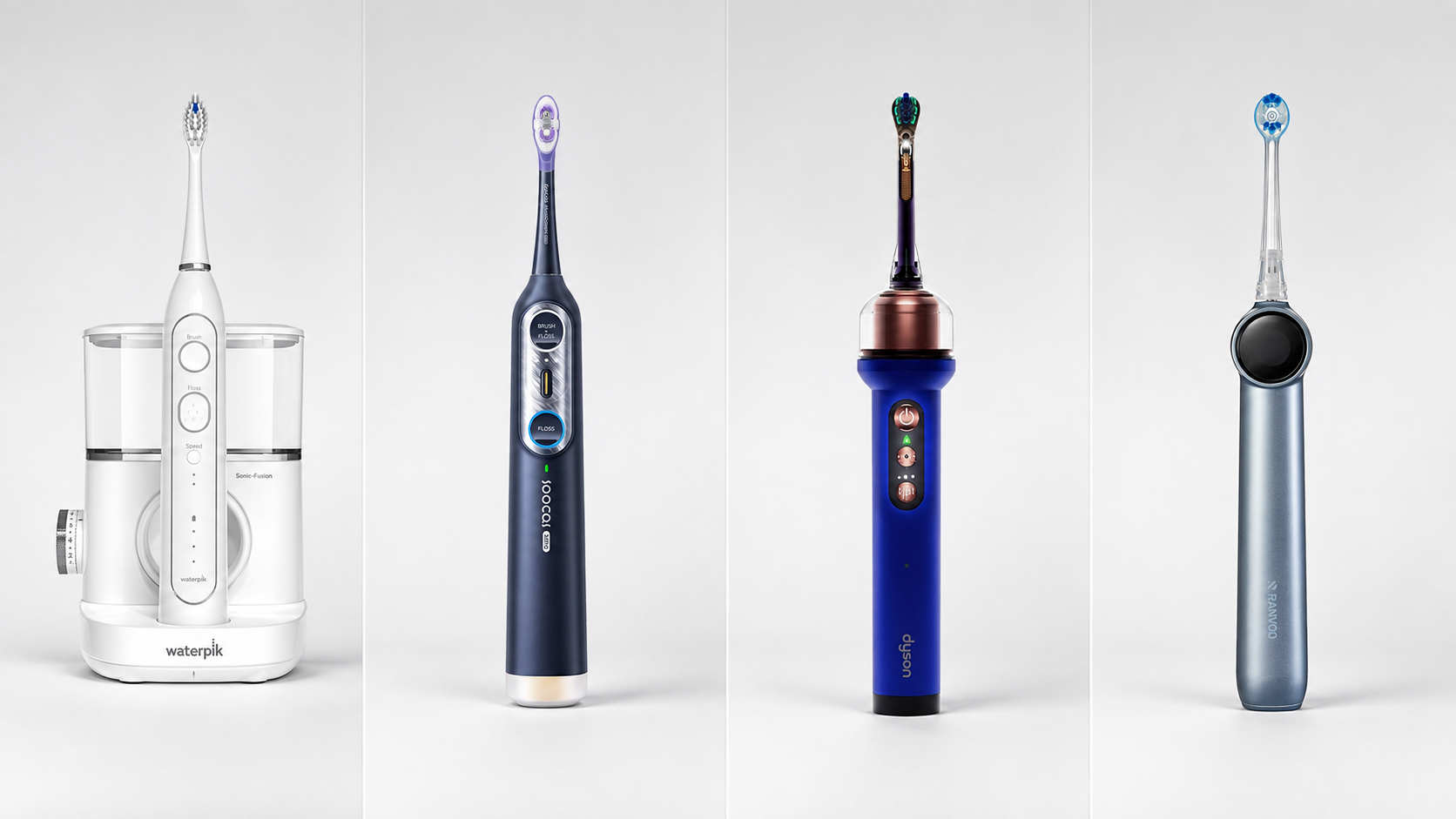
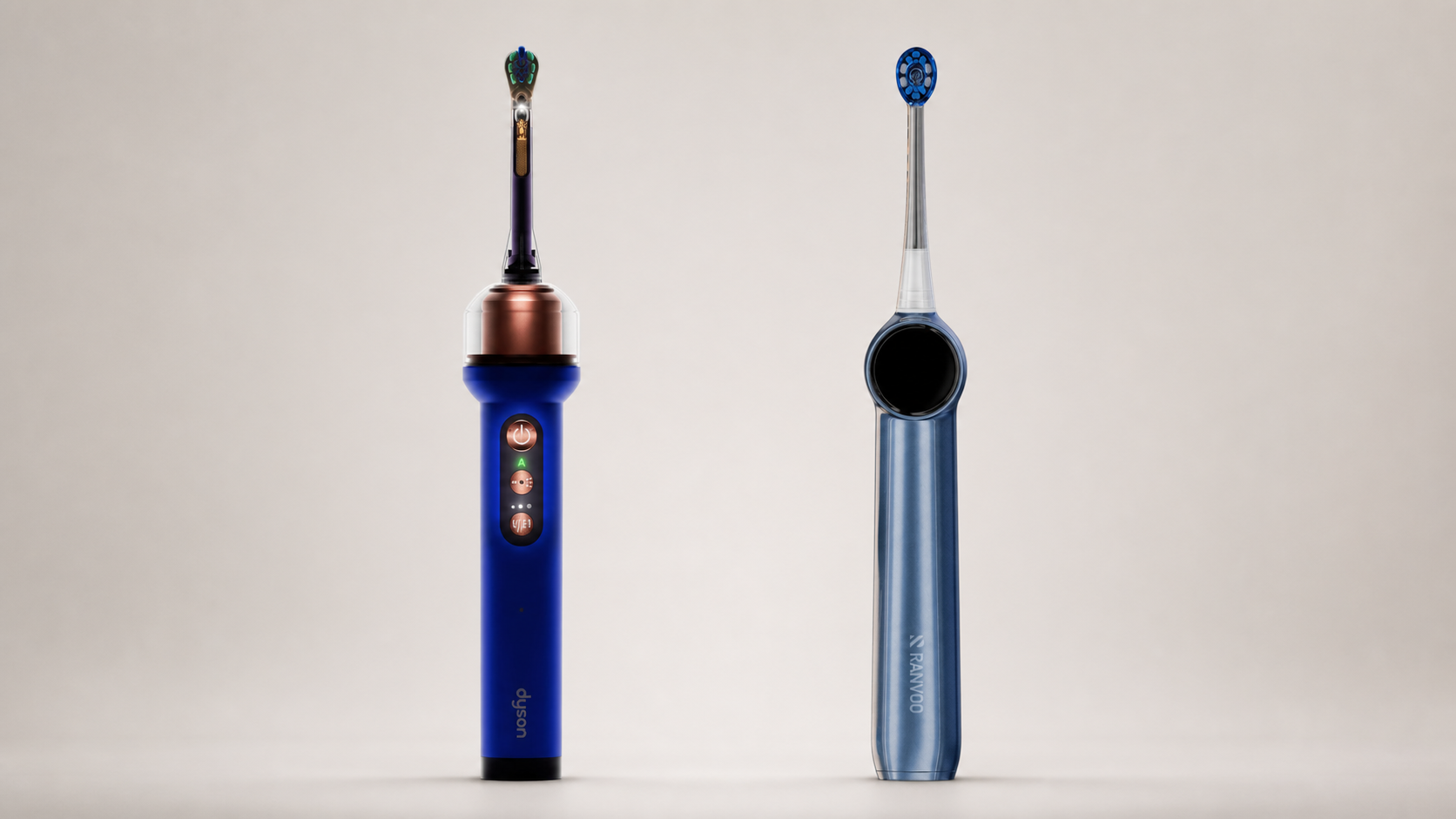
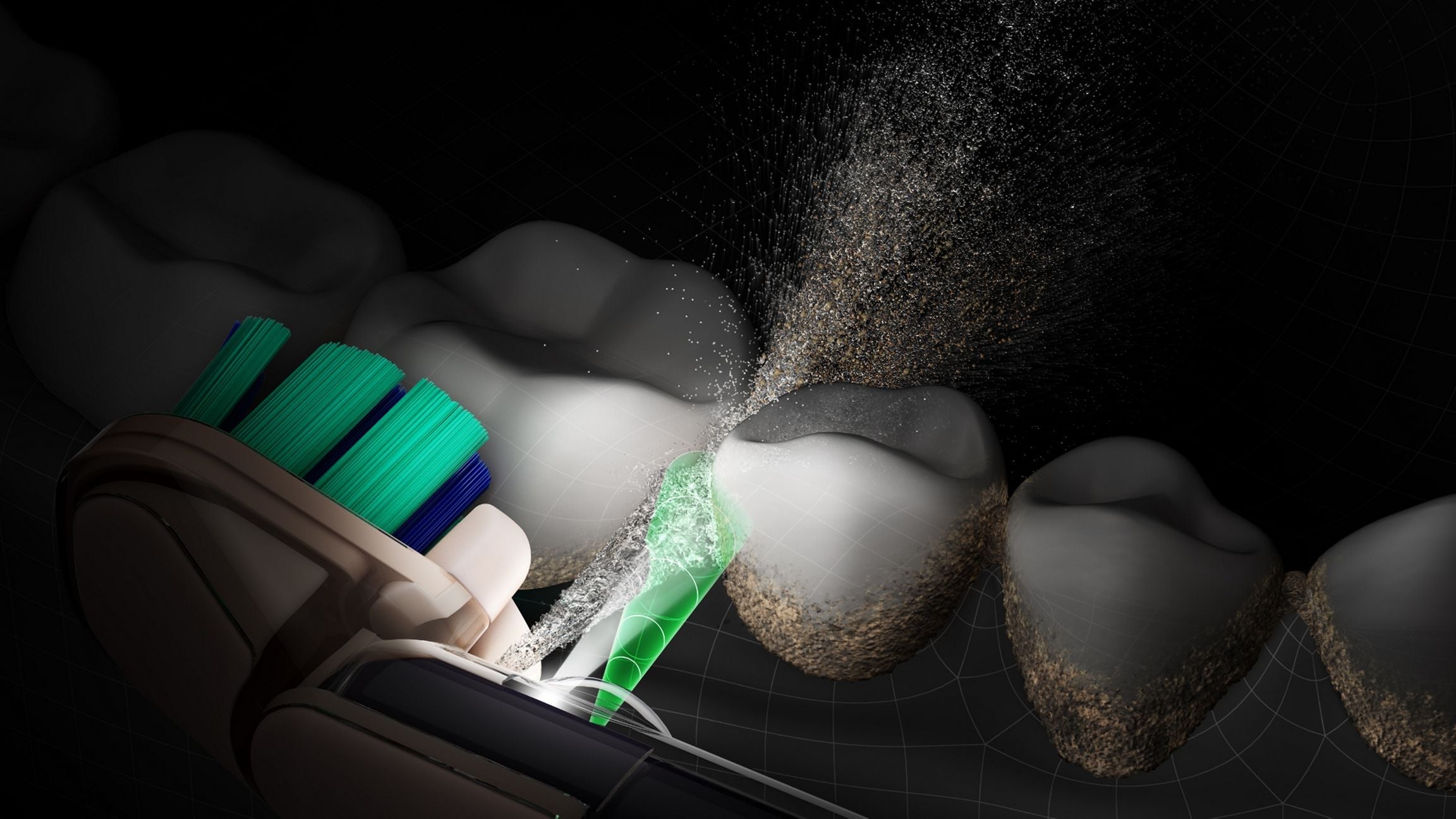
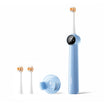
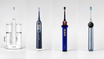
So wie das Erzwingen einer zu großen Interdentalbürste das Zahnfleisch schädigen kann, kann auch die Verwendung einer Handzahnbürste mit harten Borsten oder zu aggressives Schrubben den Zahnschmelz und das Zahnfleischgewebe schädigen. Für Personen mit empfindlichem oder blutendem Zahnfleisch ist eine elektrische Zahnbürste wie die RANVOO AirJet X5 eine sicherere Alternative. Ihre "Bubble Brush"-Technologie bietet eine sanfte, aber effektive Reinigung und reduziert das Risiko von Zahnfleischverletzungen, während sie dennoch Plaque von allen Oberflächen entfernt. Kombinieren Sie sie mit der richtigen Interdentalreinigung für eine vollständige Routine.
Warum die Reinigung zwischen den Zähnen nicht optional ist
Zahnbelag reift innerhalb von 24 Stunden zu einem schädlichen Biofilm heran. Wird er nicht entfernt, mineralisiert er zu Zahnstein und fördert chronische Entzündungen. Alleiniges Zähneputzen erreicht nur etwa 60 % der Zahnoberflächen; die interproximalen Bereiche beherbergen die aggressivsten Bakterien. Forschungsergebnisse bringen unbehandelte Parodontitis mit systemischen Erkrankungen wie Herz-Kreislauf-Erkrankungen und schlechter Diabeteskontrolle in Verbindung. Die Reinigung der Zahnzwischenräume geht nicht nur um den Erhalt der Zähne – es geht um den Schutz Ihrer allgemeinen Gesundheit.
Das Fazit: Bürsten gewinnen bei der Evidenz, Personalisierung gewinnt für Sie
Eine kurze Übersicht
| Faktor | Gewinner |
|---|---|
| Plaqueentfernung in größeren Zahnzwischenräumen | Interdentalbürste |
| Reduktion von Zahnfleischentzündungen | Interdentalbürste |
| Einfachheit der täglichen Anwendung | Interdentalbürste |
| Enge Zahnkontakte | Zahnseide |
| Kosten pro Anwendung | Zahnseide (günstiger) |
| Wiederverwendbarkeit für die Umwelt | Interdentalbürste (wiederverwendbarer Griff) |
Die Wissenschaft spricht klar für Interdentalbürsten, wo sie passen. Aber der wahre Gewinner ist eine Routine, die auf die einzigartige Anatomie Ihres Mundes zugeschnitten ist.
Nächster Schritt: Bringen Sie dies zu Ihrem Zahnarzt
Bitten Sie bei Ihrem nächsten Kontrolltermin um eine Größentabelle für Interdentalbürsten und einen persönlichen Reinigungsplan für die Zahnzwischenräume. Die Gesundheit Ihres Zahnfleisches hängt davon ab, das Werkzeug an den Raum anzupassen – und Ihr Zahnarzt kann Ihnen genau zeigen, wie das geht.