
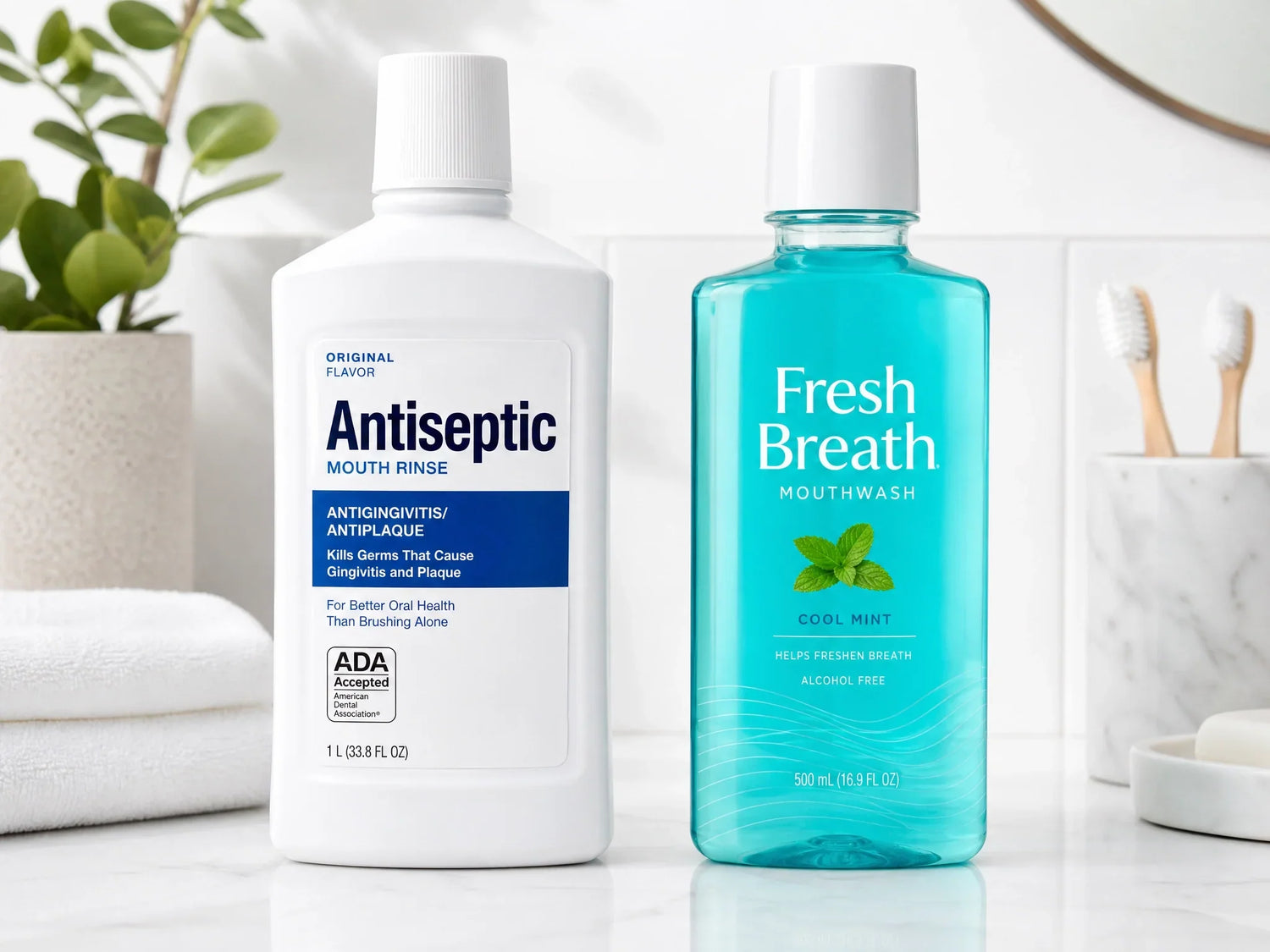
TL;DR: Für die meisten Menschen mit gesundem Zahnfleisch und einer soliden Putz- und Zahnseidenroutine ist Mundwasser ein nettes Extra, kein Muss. Aber wenn Sie mit Zahnfleischerkrankungen, starkem Mundtrockenheit oder einem extrem hohen Kariesrisiko kämpfen, kann eine therapeutische Spülung zum Game-Changer werden. Die Notwendigkeit hängt ganz von Ihrem Mund ab, nicht vom Marketing.
Was genau ist Mundwasser?
Mundwasser, auch Mundspülung genannt, ist eine Flüssigkeit, die im Mund geschwenkt wird, um den Atem zu erfrischen, Bakterien zu reduzieren oder Wirkstoffe zu liefern. Es ist kein Ersatz für mechanische Reinigung, kann aber eine unterstützende Rolle spielen. Die eigentliche Frage ist nicht „Sollte ich es benutzen?“, sondern „Welche Art, und aus welchem Grund?“
Therapeutisch vs. kosmetisch: Zwei sehr unterschiedliche Flaschen
Nicht alle Spülungen sind gleich. Die Unterscheidung zwischen therapeutisch und kosmetisch ist die wichtigste Unterscheidung in der Debatte um die Notwendigkeit.
| Merkmal | Therapeutisches Mundwasser | Kosmetisches Mundwasser |
|---|---|---|
| Zweck | Karies, Zahnfleischentzündung, Plaque oder Mundtrockenheit vorbeugen oder kontrollieren | Schlechten Atem überdecken oder einen angenehmen Geschmack hinterlassen |
| Wirkstoffe | Fluorid, ätherische Öle, Cetylpyridiniumchlorid (CPC), Chlorhexidin (verschreibungspflichtig) | Aromen, Alkohol (als Lösungsmittel) |
| Regulierung | Als Medikament reguliert; trägt oft das ADA-Siegel der Anerkennung | Als Kosmetikum reguliert; keine Notwendigkeit, klinische Wirksamkeit nachzuweisen |
| Häufige Beispiele | Listerine Antiseptic, ACT Fluoride Rinse, verschreibungspflichtiges Chlorhexidin | Scope, generische blaue oder grüne Spülungen hauptsächlich für den Atem |

Warum Zähneputzen und Zahnseide weiterhin unerlässlich sind
Mundwasser kann die schwere Arbeit nicht leisten. Zähneputzen und Zahnseide entfernen physisch den klebrigen Belag, den keine Flüssigkeit abwaschen kann. Wenn Mundpflege das Reinigen eines schlammigen Bodens wäre, ist das Zähneputzen der Mopp, die Zahnseide die Detailbürste für die Fugen und das Mundwasser ein sanfter Sprühnebel, der vielleicht etwas Staub davon abhält, sich abzusetzen – aber es wird den eingebackenen Schmutz nicht entfernen.
Das Biofilm-Problem: Plaque lässt sich nicht „wegspülen“
Plaque ist ein widerstandsfähiger bakterieller Biofilm. Er haftet mit einer klebstoffartigen extrazellulären Matrix an den Zähnen. Eine flüssige Spülung fließt lediglich über die Oberfläche, ohne die Bindung zu lösen. Nur die Reibung einer Zahnbürstenborste oder Zahnseide kann diese Struktur aufbrechen. Deshalb bezeichnen Zahnmediziner Mundwasser als Ergänzung, niemals als Ersatz. Man kann einen klebrigen Belag nicht wegschwenken.
Für Menschen mit empfindlichem oder blutendem Zahnfleisch kann selbst die Reibung einer harten Zahnbürste Unbehagen verursachen. Deshalb ist die Wahl einer sanften, aber effektiven Zahnbürste – wie die RANVOO AirJet X5 mit ihrer innovativen Blasenreinigungstechnologie – genauso wichtig wie die Putzbewegung selbst. Die weichen Mikrobläschen des X5 lösen Plaque ohne das scheuernde Schrubben, das das Zahnfleisch reizen kann, und machen ihn zu einem idealen Partner für alle, die sich wegen Zahnfleischschmerzen nicht gerne die Zähne putzen.

Wann Mundwasser zur „Notwendigkeit“ wird
Für einen gesunden Mund ist das Weglassen der Spülung völlig in Ordnung. Aber in bestimmten medizinischen Szenarien hört Mundwasser auf, ein Luxus zu sein, und wirkt wie Medizin.
Verschreibungspflichtige Spülungen bei aktiver Zahnfleischerkrankung
Wenn bei Ihnen Zahnfleischentzündung oder Parodontitisdiagnostiziert wurde, kann Ihr Zahnarzt eine Chlorhexidingluconat-Spülung verschreiben. Dieses wirksame Antiseptikum ist der Goldstandard für die kurzfristige Plaquekontrolle. Eine 12-wöchige klinische Studie ergab, dass die Zugabe einer Mundspülung mit ätherischen Ölen zum Zähneputzen die Zahnfleischentzündung im Vergleich zum alleinigen Zähneputzen um 50,8% und Blutungen um 71,0% reduzierte [Quelle: JDH-Studie]. Verschreibungspflichtiges Chlorhexidin wird jedoch in der Regel nur 1–2 Wochen angewendet, da eine langfristige Anwendung zu Zahnverfärbungen und Geschmacksveränderungen führen kann. Es ist als vorübergehende Therapie notwendig, nicht als lebenslange Gewohnheit.
Behandlung von schwerer Mundtrockenheit (Xerostomie)
Menschen mit Xerostomie – oft verursacht durch Medikamente, Strahlentherapie oder das Sjögren-Syndrom – fehlt der schützende Speichel, der die Zähne auf natürliche Weise reinigt und puffert. Hier wird eine speziell formulierte, alkoholfreie Mundspülung mit Xylit, Enzymen oder Feuchthaltemitteln unerlässlich, um massiver Karies und oralen Beschwerden vorzubeugen. Es geht nicht darum, Keime abzutöten; es geht darum, verlorene Funktion zu ersetzen.
Kurzfristige Bedürfnisse: Nach Operationen und bei körperlichen Einschränkungen
Nach einer Zahnextraktion, Zahnfleischoperation oder wenn Sie sich den Arm gebrochen haben und nicht effektiv putzen können, kann ein Zahnarzt eine antimikrobielle Spülung als vorübergehenden Ersatz für die mechanische Reinigung empfehlen. Dies verhindert Infektionen, wenn normale Mundhygiene physisch unmöglich ist – ein klarer Fall von Notwendigkeit.
Wie wirksam ist normales Mundwasser? Abwägung von Vor- und Nachteilen
Freiverkäufliche therapeutische Spülungen können etwas bewirken, aber sie sind kein Wundermittel.
Die nachgewiesenen Vorteile: Frischerer Atem und Reduzierung von Zahnfleischentzündungen
Bei gleichzeitiger Anwendung mit Zähneputzen und Zahnseide bieten hochwertige therapeutische Mundspülungen messbare Vorteile: - Kontrolle von Zahnfleischentzündungen: In überwachten Studien reduzierte Zähneputzen plus Mundspülung mit ätherischen Ölen Zahnfleischentzündungen um 39–54% und Plaque um 18–36% über 12 Wochen [Quelle: JDH-Studie und BMC Oral Health Studie]. Das ist eine echte Verbesserung, besonders wenn Ihre Zahnseidentechnik nicht perfekt ist. - Kariesprävention: Fluorid-Mundspülung kann Menschen mit hohem Kariesrisiko einen zusätzlichen Schutz bieten. Die American Dental Association erkennt Fluoridspülungen als bewährte Kariesbekämpfer an. - Sofortiger frischer Atem: Antimikrobielle Spülungen reduzieren die geruchsverursachenden Bakterien, die flüchtige Schwefelverbindungen produzieren – ein schneller Fix, den viele von uns schätzen.
Die versteckten Nachteile: Alkohol, Verfärbungen und falsche Sicherheit
Vorsicht: Nicht alles, was kribbelt, behandelt auch. Alkoholhaltige Mundspülungen können ein Brennen verursachen und das Mundgewebe austrocknen, was Mundtrockenheit verschlimmern kann. Chlorhexidin kann Zähne vorübergehend braun verfärben. Und das größte Risiko? Mundspülung zu verwenden, um chronische Halitosis zu überdecken, ohne die Ursache zu untersuchen – wie Zahnfleischerkrankungen, Mandelsteine oder sauren Reflux – kann die richtige Behandlung verzögern.
Darüber hinaus weisen einige Forscher auf einen subtilen Punkt hin: das orale Mikrobiom. Die tägliche, langfristige Anwendung von breitbandigen antiseptischen Spülungen kann auch nützliche Bakterien unterdrücken, die an der Produktion von Stickstoffmonoxid beteiligt sind, das hilft, den Blutdruck zu regulieren. Obwohl dies kein Grund zur Panik ist, erinnert es daran, dass selbst gute Dinge Kompromisse haben können, wenn sie ohne klaren Bedarf verwendet werden.
Wo passt Mundspülung in Ihre Routine?
Wenn Sie sich für eine entscheiden, ist das Timing wichtiger als Sie denken.
Die goldene Reihenfolge: Zahnseide, Zähneputzen, dann Spülen (zur richtigen Zeit)
Das NHS rät: „Verwenden Sie keine Mundspülung direkt nach dem Zähneputzen“ [Quelle: NHS-Leitfaden]. Warum? Weil Sie das konzentrierte Fluorid wegspülen, das die Zahnpasta auf Ihren Zähnen hinterlässt. Die beste Reihenfolge: 1. Zahnseide zuerst, um Ablagerungen zwischen den Zähnen zu lösen. 2. Putzen Sie gründlich zwei Minuten lang, dann spucken Sie den überschüssigen Schaum aus. 3. Warten Sie mindestens 30 Minuten, bevor Sie mit einer Mundspülung spülen, oder verwenden Sie sie zu einer anderen Tageszeit (z. B. nach dem Mittagessen).
So profitieren Sie voll von beiden Produkten.
So wählen Sie eine Mundspülung für Ihr spezifisches Ziel
Keine Einheitslösung. Passen Sie Ihren Bedarf an den Inhaltsstoff an:
| Ihr Ziel | Suchen Sie nach diesem aktiven Inhaltsstoff | Auf das ADA-Siegel achten? |
|---|---|---|
| Karies bekämpfen | Fluorid (Natriumfluorid) | Ja, stark empfohlen |
| Zahnfleischentzündung reduzieren | Ätherische Öle (Menthol, Thymol, Eucalyptol) oder CPC | Ja |
| Zahnempfindlichkeit lindern | Kaliumnitrat oder Zinnfluorid | Hilft, aber in Mundspülungen weniger üblich |
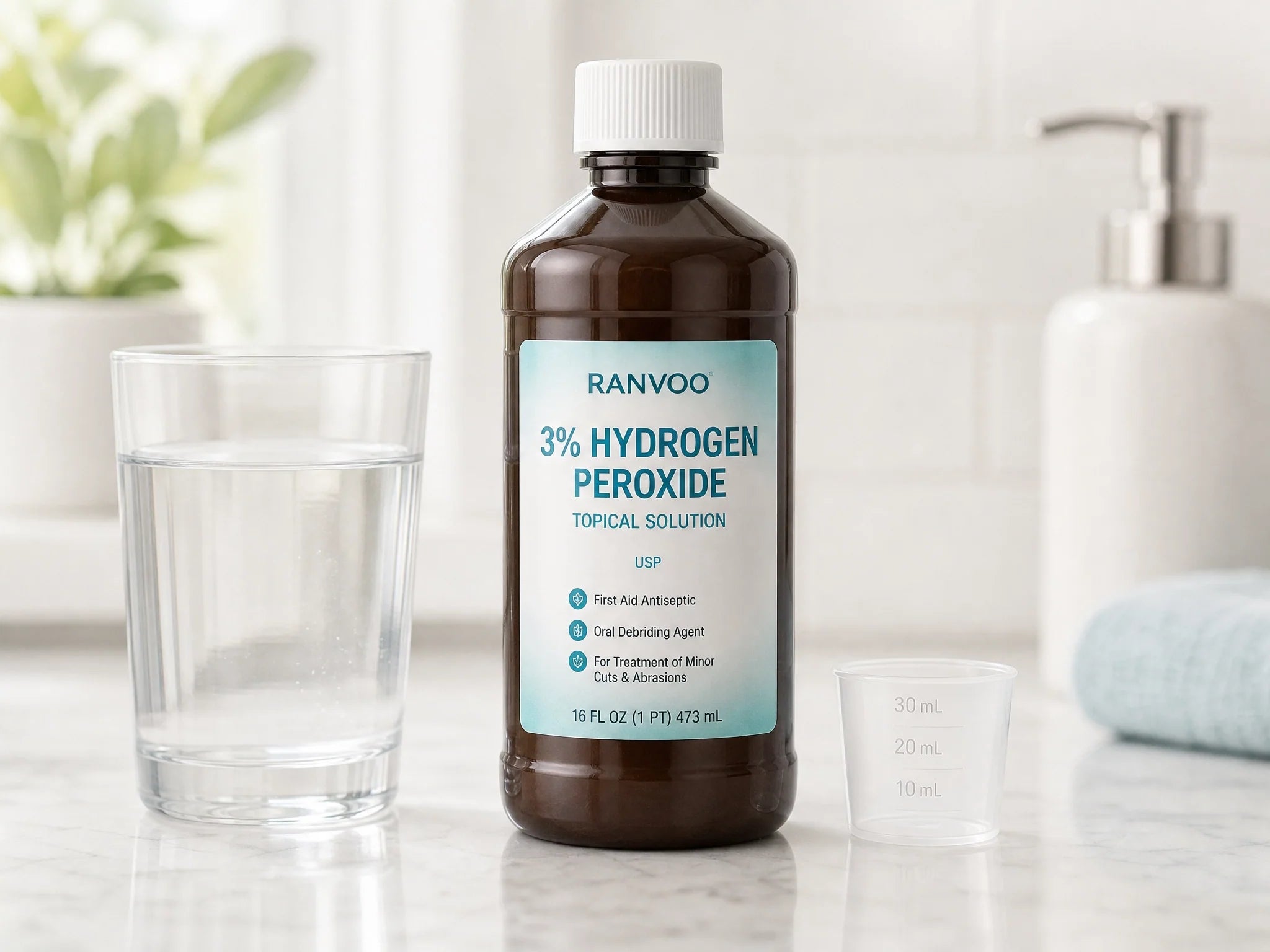
| Zähne aufhellen | Wasserstoffperoxid | Ja, für Sicherheit und Wirksamkeit |
| Mundtrockenheit lindern | Xylit, Enzyme, Glycerin und kein Alkohol | Nicht immer, aber feuchtigkeitsspendende Eigenschaften priorisieren |

Das Fazit: Ist es notwendig für Sie?
Sie brauchen keine Mundspülung, nur weil die Flasche ansprechend aussieht. Lassen Sie sich von ein paar einfachen Fragen leiten.
Wann Sie das Spülen sicher auslassen können
Wenn Sie alle diese Punkte erfüllen, sind Sie auf der sicheren Seite: - Ihr Zahnfleisch blutet nicht beim Putzen oder Reinigen mit Zahnseide. - Ihre Kariesgeschichte ist gering und Sie verwenden täglich fluoridhaltige Zahnpasta. - Sie putzen zweimal täglich zwei Minuten lang und reinigen regelmäßig die Zahnzwischenräume. - Sie leiden nicht unter anhaltendem Mundgeruch oder Mundtrockenheit.
In diesem Fall ist Mundspülung eine kosmetische Wahl für einen frischen Atem – kein gesundheitliches Muss.
Wann die Verwendung einer Spülung sinnvoll ist
Fügen Sie eine therapeutische Mundspülung hinzu, wenn einer dieser Punkte zutrifft: - Ihr Zahnarzt oder Ihre Dentalhygienikerin hat frühe Gingivitis oder Entzündungen festgestellt. - Sie haben ein hohes Kariesrisiko (genetisch, zuckerreiche Ernährung, Zahnspangen) und möchten einen zusätzlichen Fluoridschutz. - Sie haben Xerostomie (Mundtrockenheit) und benötigen eine feuchtigkeitsspendende, antibakterielle Spülung, um fehlenden Speichel zu kompensieren. - Sie befinden sich in kieferorthopädischer Behandlung oder tragen feste Brücken, bei denen die Reinigung schwieriger ist. - Sie wünschen sich sofortigen frischen Atem für ein soziales oder berufliches Umfeld – und verstehen, dass dies nicht die zugrunde liegende Ursache behandelt.
Letztendlich ist die wertvollste Mundspülung die, die Ihr Zahnarzt nach der Untersuchung Ihres individuellen Mundes empfiehlt. Kein Spülen kann einen maßgeschneiderten Plan ersetzen.
Also, ist Mundspülung notwendig? Für diejenigen, die gut putzen und Zahnseide verwenden – nein. Für diejenigen, die gegen bestimmte Probleme kämpfen – ja, und sie kann einen messbaren Unterschied machen. Treffen Sie Ihre Entscheidung mit Ihrem Zahnarzt, nicht mit einer Werbung.


Hinterlasse einen Kommentar
Diese Website ist durch hCaptcha geschützt und es gelten die allgemeinen Geschäftsbedingungen und Datenschutzbestimmungen von hCaptcha.